
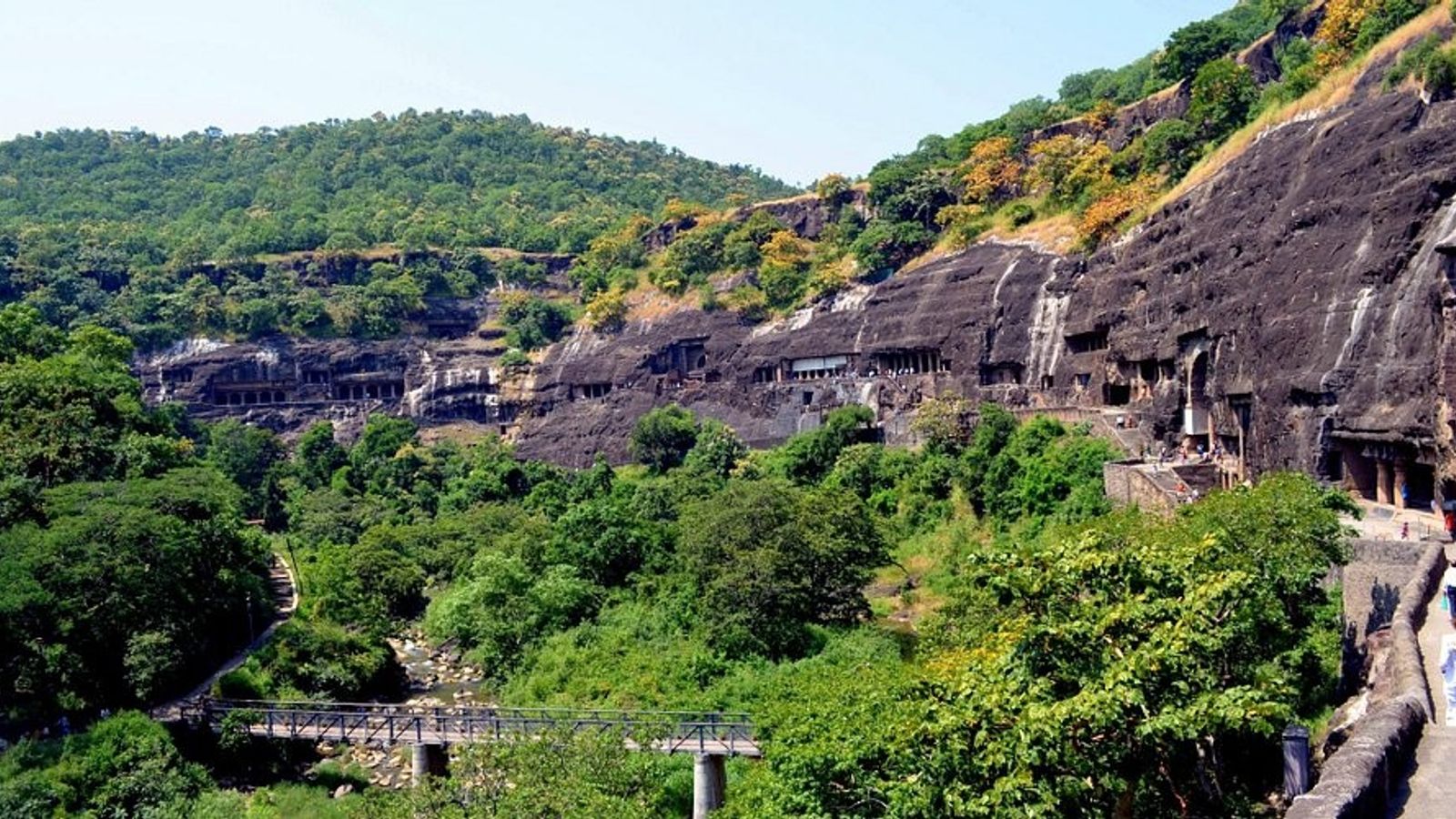
Ajanta Caves
Private journeys, curated experiences and tailor-made routes through Ajanta Caves.
Journeys
On request
Nearby Cities
0
Best Suited For
Private & tailor-made holidays
About Ajanta Caves
Ajanta Caves: A UNESCO World Heritage Site
The Ajanta Caves are one of India's most celebrated historical and artistic marvels, located in the state of Maharashtra, approximately 99 km from Aurangabad. These ancient caves are renowned for their extraordinary rock-cut Buddhist temples, monasteries, and elaborate murals. They offer a remarkable glimpse into India’s ancient Buddhist culture and art. Here's a detailed overview of the Ajanta Caves:
1. History of Ajanta Caves
The Ajanta Caves were excavated and used by Buddhist monks as monasteries and temples between the 2nd century BCE and 6th century CE. The caves were originally abandoned and remained hidden in a gorge, only to be rediscovered by a British officer, John Smith, in 1819. The caves showcase the evolution of Buddhist art and architecture from the early Hinayana period to the later Mahayana phase.
2. Architecture and Layout
There are a total of 30 caves at Ajanta, including temples, monasteries (viharas), and stupas. The caves are carved into the cliffs of a gorge along the Waghora River, surrounded by lush forests, which adds to the beauty of the site.
- Cave 1: Known for its remarkable murals depicting the life of the Buddha, Cave 1 is one of the most iconic caves.
- Cave 16 (Chhota Kailasa): Famous for its grand monolithic temple, which is a rock-cut structure that closely resembles the Kailasa Temple at Ellora.
- Cave 26: Another popular cave, which houses an immense Buddha statue seated in meditation and is surrounded by intricate murals and carvings.
The caves are characterized by their rock-cut architecture, large Buddha statues, and a rich collection of murals that cover a wide range of themes — from the life of the Buddha to various Jataka tales, and vivid depictions of the Buddhist monastic life.
3. Murals and Paintings
Ajanta is globally famous for its exquisite frescoes. The murals are painted using mineral-based pigments and depict various scenes from Buddhist mythology, the Jataka tales (stories of the Buddha’s past lives), and Buddha’s life.
- Vivid Colors: The murals are created with vivid natural colors, showcasing the rich artistic style of the time.
- Buddha’s Life: The wall paintings often show key moments from the Buddha’s life, such as his birth, enlightenment, first sermon, and death.
- Jataka Tales: These murals illustrate stories from the Buddha’s previous lives, showcasing his moral virtues and enlightenment.
The paintings at Ajanta are considered to be masterpieces of ancient Indian art, widely admired for their detail, color, and sophistication.
4. Importance of Ajanta Caves
- Historical Significance: The Ajanta Caves are an invaluable part of India’s cultural and religious history. They provide critical insight into Buddhist monastic life, practices, and the early spread of Buddhism in India.
- Artistic Legacy: The murals and sculptures at Ajanta represent a peak in Indian Buddhist art and are often cited as one of the finest examples of Indian painting and sculpture.
- Architectural Marvel: The caves are a prime example of rock-cut architecture, showcasing intricate engineering techniques used by ancient craftsmen.
5. Key Caves to Visit
- Cave 1: Known for its frescoes depicting the life of the Buddha.
- Cave 4 and 17: Known for their grand and well-preserved murals.
- Cave 26: Famous for a large Buddha statue in a meditative posture.
- Cave 16: Features the Kailasa-style rock-cut temple, one of the most ambitious rock-cut structures.
6. How to Reach Ajanta Caves
Ajanta Caves are well-connected to nearby cities by road and rail:
- By Air: The nearest airport is in Aurangabad, about 99 km away. Aurangabad is well-connected to major cities in India.
- By Train: The nearest major railway station is Aurangabad. From there, you can hire a taxi or take a bus to Ajanta.
- By Road: Ajanta is easily accessible by road from Aurangabad. The drive from Aurangabad takes about 2 hours.
7. Best Time to Visit
The ideal time to visit the Ajanta Caves is during the winter months (October to March) when the weather is cooler and more pleasant for sightseeing. The summer months (April to June) can be very hot, while the monsoon season (July to September) brings heavy rainfall, making it less suitable for outdoor exploration.
8. Entry Fees and Timings
- Entry Fee: There is an entry fee for Indian and foreign tourists. The fees contribute to the conservation and maintenance of the site.
- Timings: The Ajanta Caves are open from 9:00 AM to 5:30 PM every day, except for Mondays, when they are closed for maintenance.
9. Tips for Visiting
- Comfortable Footwear: The caves are located in a hilly area with uneven terrain, so it's advisable to wear comfortable shoes.
- Guided Tours: Hiring a local guide or taking an audio guide is a great way to understand the historical and cultural significance of the site.
- Photography: While photography is allowed, be mindful of the rules regarding flash photography as it may damage the delicate paintings.
The Ajanta Caves are a must-visit for anyone interested in ancient art, history, and Buddhism. Their beautiful murals, sculptures, and the spiritual atmosphere of the caves make it a unique cultural destination in India. The Ajanta Caves not only represent India’s artistic legacy but also offer a glimpse into the rich spiritual practices of the Buddhist community. Whether you're an art lover, history buff, or spiritual seeker, a visit to Ajanta is a transformative experience.
Planning a trip?
Get a customized itinerary designed by our Ajanta Caves experts.