
Amritsar
Private journeys, curated experiences and tailor-made routes through Amritsar.
Journeys
On request
Nearby Cities
0
Best Suited For
Private & tailor-made holidays
About Amritsar
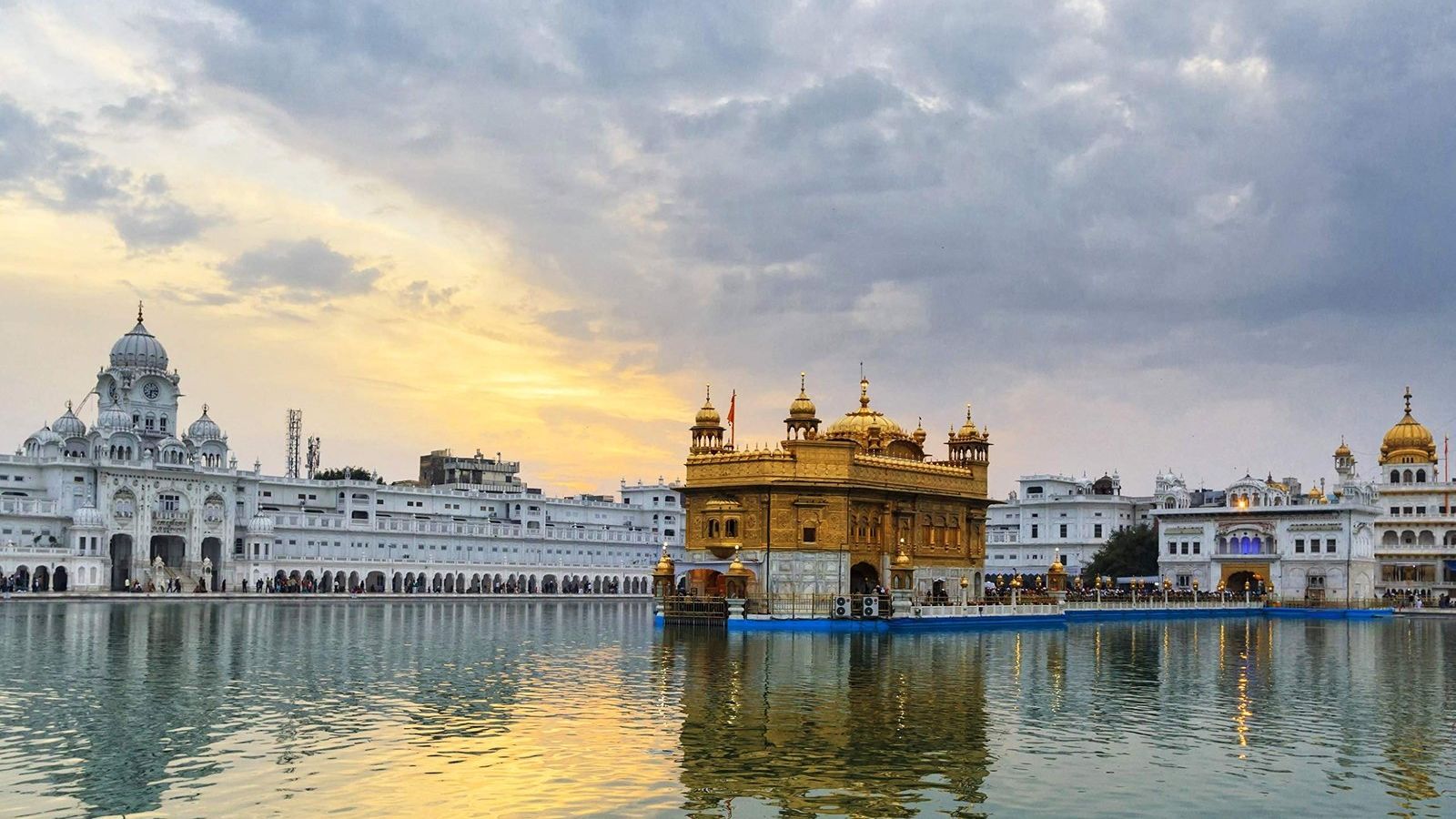
Amritsar, located in the state of Punjab, India, is a city rich in history, culture, and spirituality. Famous worldwide as the home of the Golden Temple (Harmandir Sahib), Amritsar is a significant pilgrimage destination for Sikhs, and also a vibrant hub for Indian culture, cuisine, and history. The city's fascinating blend of tradition, religion, and modernity makes it a must-visit for any traveler.
Key Attractions in Amritsar:
1. Golden Temple (Harmandir Sahib)
- The Golden Temple, also known as Harmandir Sahib, is undoubtedly the most famous and revered landmark in Amritsar. It is the holiest shrine in Sikhism and attracts millions of devotees and tourists from around the world.
- The temple’s structure is adorned with gold, giving it a magnificent appearance, especially when lit up at night. The serene Amrit Sarovar (Holy Tank) surrounding the temple adds to its tranquility, where visitors can take a holy dip or simply sit by the water and meditate.
- The Golden Temple also houses the Guru Granth Sahib, the holy scripture of Sikhism, and is a center of spiritual reflection. Visitors can enjoy the free langar (community meal) served daily, feeding thousands of people from all walks of life.
- The temple is open to people of all religions and offers a peaceful atmosphere of devotion, making it a must-visit.
2. Jallianwala Bagh
- Jallianwala Bagh is one of the most historically significant sites in India, as it marks the tragic massacre of hundreds of unarmed Indian civilians by British troops on April 13, 1919.
- Today, it is a memorial to the victims of the massacre, and the garden contains the Jallianwala Bagh Memorial, which includes a martyrs' gallery and a well where many people jumped to escape the bullets.
- The site serves as a poignant reminder of the struggle for India’s independence and is a must-visit for anyone interested in India’s colonial history.
3. Wagah Border
- The Wagah Border, located about 28 km from Amritsar, is the border between India and Pakistan. The Beating Retreat Ceremony held here every evening is a highly popular and patriotic event.
- The ceremony involves a display of military drill by Indian and Pakistani soldiers, accompanied by marching, flag-lowering, and synchronized movements. The event is attended by large crowds from both sides of the border, and it provides a powerful and emotional experience of India-Pakistan relations.
- It’s a must-see for visitors to experience the fervor and spirit of nationalism.
4. Durgiana Temple
- The Durgiana Temple is a prominent Hindu temple in Amritsar, dedicated to Goddess Durga. Architecturally, it bears similarities to the Golden Temple, as it is also surrounded by a holy lake.
- The temple is one of the most important religious sites for Hindus in the region, and it attracts thousands of devotees who come to pay homage to Goddess Durga and seek blessings.
5. Maharaja Ranjit Singh Panorama
- The Maharaja Ranjit Singh Panorama is a museum dedicated to the life and legacy of Maharaja Ranjit Singh, the founder of the Sikh Empire. The museum offers a detailed look into the history of the Sikh Empire, the warrior king's contributions, and the rich culture of Punjab.
- The museum includes an informative exhibition of historical paintings, sculptures, and artifacts, giving visitors a deeper understanding of Amritsar’s cultural heritage.
6. Gobindgarh Fort
- Gobindgarh Fort, located in the heart of Amritsar, is a historic military fort that dates back to the 18th century. Once a stronghold of the Sikh Empire, the fort is now a heritage site and cultural center.
- Visitors can enjoy cultural performances, interactive exhibits, and displays showcasing the history of the fort, as well as the traditions of the Punjab region. The fort also houses an interesting light-and-sound show that narrates the fort’s history and significance.
7. Partition Museum
- The Partition Museum in Amritsar is dedicated to the events surrounding the Partition of India in 1947. The museum offers a poignant look at the impact of partition on the people of Punjab and the rest of India, with exhibits showcasing photographs, documents, and artifacts.
- It is a great place to understand the tragic history of the partition and the pain and resilience of the people who lived through it.
8. Tarn Taran Sahib
- Located about 25 km from Amritsar, Tarn Taran Sahib is a significant Sikh shrine, home to one of the largest sarovars (holy tanks) in Punjab. The Tarn Taran Sahib Gurudwara is dedicated to Guru Arjan Dev, the fifth Sikh Guru, and is considered one of the holiest places in Sikhism.
- The town and Gurudwara provide a peaceful, spiritual atmosphere for pilgrims and tourists alike.
9. Amritsar's Food and Markets
- Amritsar is a haven for food lovers, known for its Punjabi cuisine. Visitors can enjoy the famous Amritsari kulchas, chole bhature, lassi, and street food like samosas and bhature at local eateries and street stalls.
- The Hall Bazaar and Katra Jaimal Singh Market are popular places for shopping, offering traditional Punjabi textiles, handicrafts, embroidered items, and jewelry. The markets are lively and colorful, offering a glimpse into local life.
10. Ram Bagh Garden
- The Ram Bagh Garden is a historical garden located near the center of Amritsar. It was built by Maharaja Ranjit Singh and is known for its well-maintained greenery and beautiful walkways. The garden also houses a museum and an art gallery.
Best Time to Visit Amritsar
- Winter (October to March): The best time to visit Amritsar is during the winter months when the weather is cool and pleasant. Temperatures range from 5°C to 25°C, making it perfect for sightseeing and exploring the city.
- Summer (April to June): Summer can be extremely hot, with temperatures reaching up to 45°C, so it’s not an ideal time for outdoor activities.
- Monsoon (July to September): Amritsar experiences heavy rainfall during the monsoon, which may cause inconvenience for outdoor tours and travel.
How to Reach Amritsar
- By Air: Sri Guru Ram Dass Jee International Airport (Amritsar Airport) is well-connected to major cities like Delhi, Mumbai, Chandigarh, and international destinations.
- By Train: Amritsar has a major railway station, Amritsar Junction, which is well-connected to all parts of India, including Delhi, Mumbai, Chandigarh, and Ludhiana.
- By Road: Amritsar is connected by road to major cities in Punjab and North India. Buses and taxis are available for local transportation.
Amritsar is not only the spiritual heart of Sikhism but also a city that holds deep historical and cultural significance. Whether you're visiting to pay your respects at the Golden Temple, to learn about India’s independence at Jallianwala Bagh, or simply to enjoy the vibrant culture and delicious food, Amritsar offers an enriching and unforgettable experience. Its welcoming atmosphere and rich heritage make it a must-visit destination in India.