
Aurangabad
Private journeys, curated experiences and tailor-made routes through Aurangabad .
Journeys
On request
Nearby Cities
0
Best Suited For
Private & tailor-made holidays
About Aurangabad
Aurangabad, a historic city in the state of Maharashtra, is known for its rich cultural heritage, stunning architecture, and proximity to some of India's most significant historical sites. It’s often referred to as the "Gateway to the Ajanta and Ellora Caves," two of the most famous UNESCO World Heritage Sites in India. Here's a closer look at the must-see attractions and experiences in and around Aurangabad.
1. Ajanta Caves (UNESCO World Heritage Site)
Located around 99 km from Aurangabad, the Ajanta Caves are a group of 30 rock-cut Buddhist cave complexes that date back to the 2nd century BCE. The caves feature exquisite frescoes and sculptures that depict the life of the Buddha, along with intricate paintings illustrating ancient stories. The caves are also famous for their well-preserved murals, considered to be masterpieces of Buddhist art. The scenic surroundings of the Ajanta Caves, nestled in a gorge with the Waghora River flowing below, make the site even more magical.
2. Ellora Caves (UNESCO World Heritage Site)
Situated about 30 km from Aurangabad, the Ellora Caves are another UNESCO World Heritage Site and are renowned for their stunning rock-cut architecture. The complex consists of 34 caves, which include Hindu, Buddhist, and Jain temples. Among the caves, the Kailasa Temple (Cave 16) stands out for being a single monolithic structure, carved out of a single rock. The caves showcase intricate sculptures and paintings, making it a must-visit for art and history enthusiasts.
3. Bibi Ka Maqbara
Often referred to as the "Taj of the Deccan," the Bibi Ka Maqbara is an impressive Mughal mausoleum built by Azam Shah, the son of Aurangzeb, in memory of his mother, Dilras Banu Begum. This monument resembles the Taj Mahal in its architectural style, though it is smaller in size. The beautifully landscaped garden, reflecting pools, and the symmetry of the monument make it an architectural marvel and one of Aurangabad’s most iconic attractions.
4. Aurangabad Caves
The Aurangabad Caves are a set of 12 Buddhist rock-cut temples situated on a hill to the west of the city. These caves date back to the 6th and 7th centuries and are known for their peaceful ambiance and simplicity. The caves contain impressive sculptures, carvings, and inscriptions, which reflect the rich spiritual heritage of the region. The caves are less crowded than the Ajanta and Ellora caves, offering a more serene experience.
5. Daulatabad Fort
A major historical landmark, the Daulatabad Fort is situated about 15 km from Aurangabad. It was once known as Deogiri Fort and served as the capital of the Delhi Sultanate before it was abandoned. The fort is renowned for its strategic location atop a hill and its well-designed defense mechanisms, including a 100-step climb to the top. Visitors can explore the fort’s various gates, pathways, and structures, which showcase impressive military architecture.
6. Panchakki
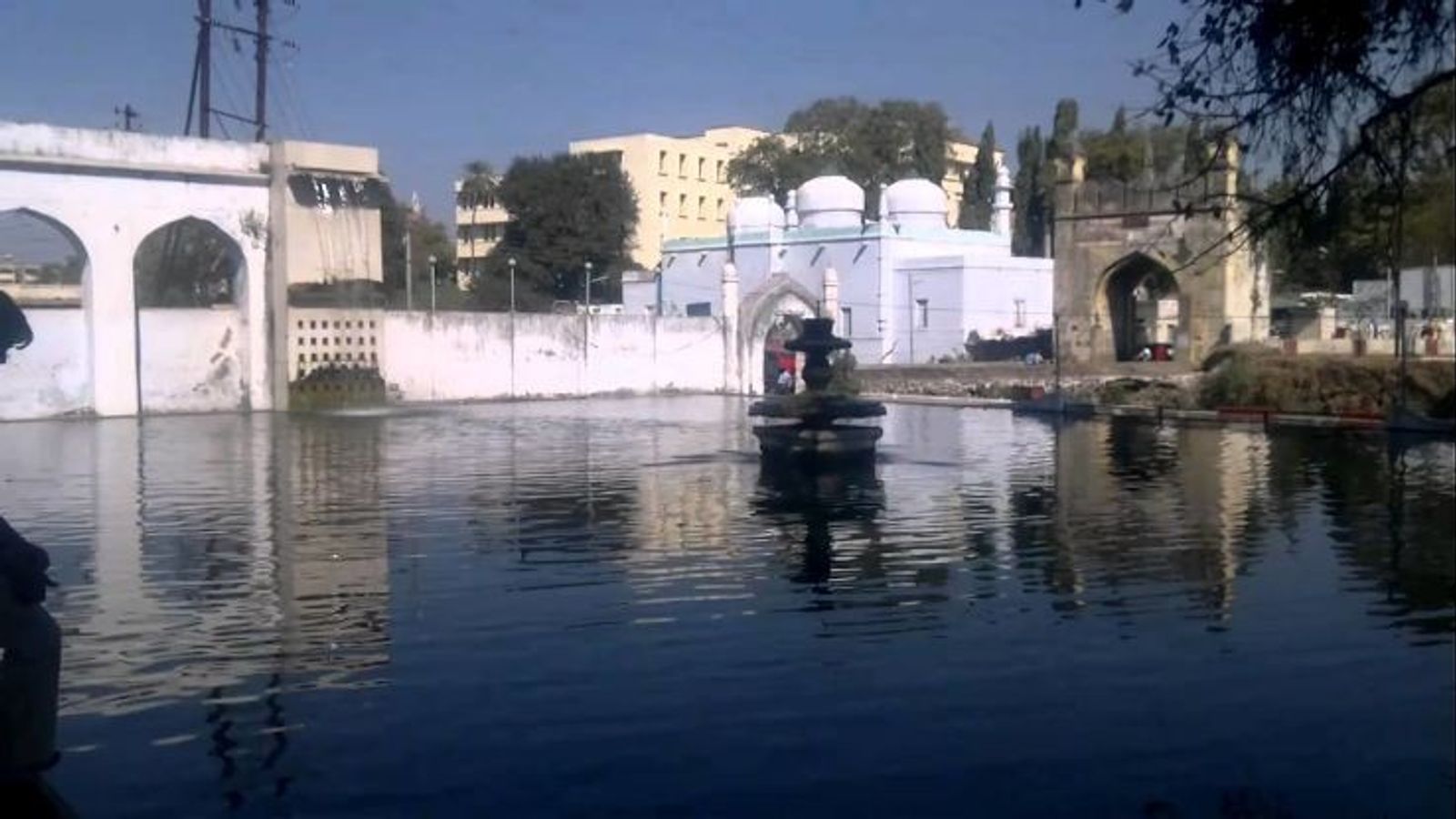
Panchakki is a unique water mill that was built during the reign of the Mughal emperor Aurangzeb. The mill was powered by water from a reservoir that was carried through an underground canal from the nearby mountains. The Panchakki is an engineering marvel and has an intricate system of water channels and tanks. The site also features a mosque and a tomb of the Sufi saint Baba Shah Muzaffar, who is associated with the creation of the Panchakki.
7. Siddharth Garden and Zoo
For families or nature lovers, Siddharth Garden and Zoo is a great place to visit. The zoo is home to a variety of animals and birds, while the garden is an ideal spot for a leisurely walk or picnic. The garden has fountains, well-maintained lawns, and a small pond, making it a serene escape from the hustle and bustle of the city.
8. Aurangabad's Local Markets
Aurangabad is known for its vibrant markets where visitors can shop for Paithani sarees, a traditional silk saree that is a hallmark of Maharashtra’s heritage. The Chandani Chowk market and the Bharat Mata Market are great places to explore for traditional handicrafts, jewelry, clothing, and antiques. The city is also known for its Hiranya Rekha jewelry, making it a great spot for shoppers looking for unique souvenirs.
Best Time to Visit Aurangabad
The best time to visit Aurangabad is from October to March, when the weather is cooler and more pleasant. Summers (April to June) can be quite hot, with temperatures soaring above 40°C, making sightseeing less enjoyable. The monsoon season (July to September) brings heavy rains, which could make travel and outdoor activities less pleasant.
Aurangabad is a city that offers a deep dive into India’s ancient cultural and historical legacy. From the world-famous Ajanta and Ellora Caves to Mughal-era monuments like the Bibi Ka Maqbara, the city provides a unique blend of art, history, and architecture. Whether you're a history enthusiast, a nature lover, or a cultural explorer, Aurangabad offers something for everyone.
Planning a trip?
Get a customized itinerary designed by our Aurangabad experts.