
Bikaner
Private journeys, curated experiences and tailor-made routes through Bikaner.
Journeys
On request
Nearby Cities
0
Best Suited For
Private & tailor-made holidays
About Bikaner
Bikaner Tour Guide – Explore Rajasthan's Royal Desert City
Located in the heart of the Thar Desert, Bikaner is one of Rajasthan's most captivating heritage cities, celebrated for its magnificent forts, richly decorated palaces, intricately carved havelis, vibrant bazaars, and enduring desert traditions. Founded in 1488 AD by Rao Bika, the city flourished as an important trading centre on the ancient caravan routes linking Central Asia with Gujarat.
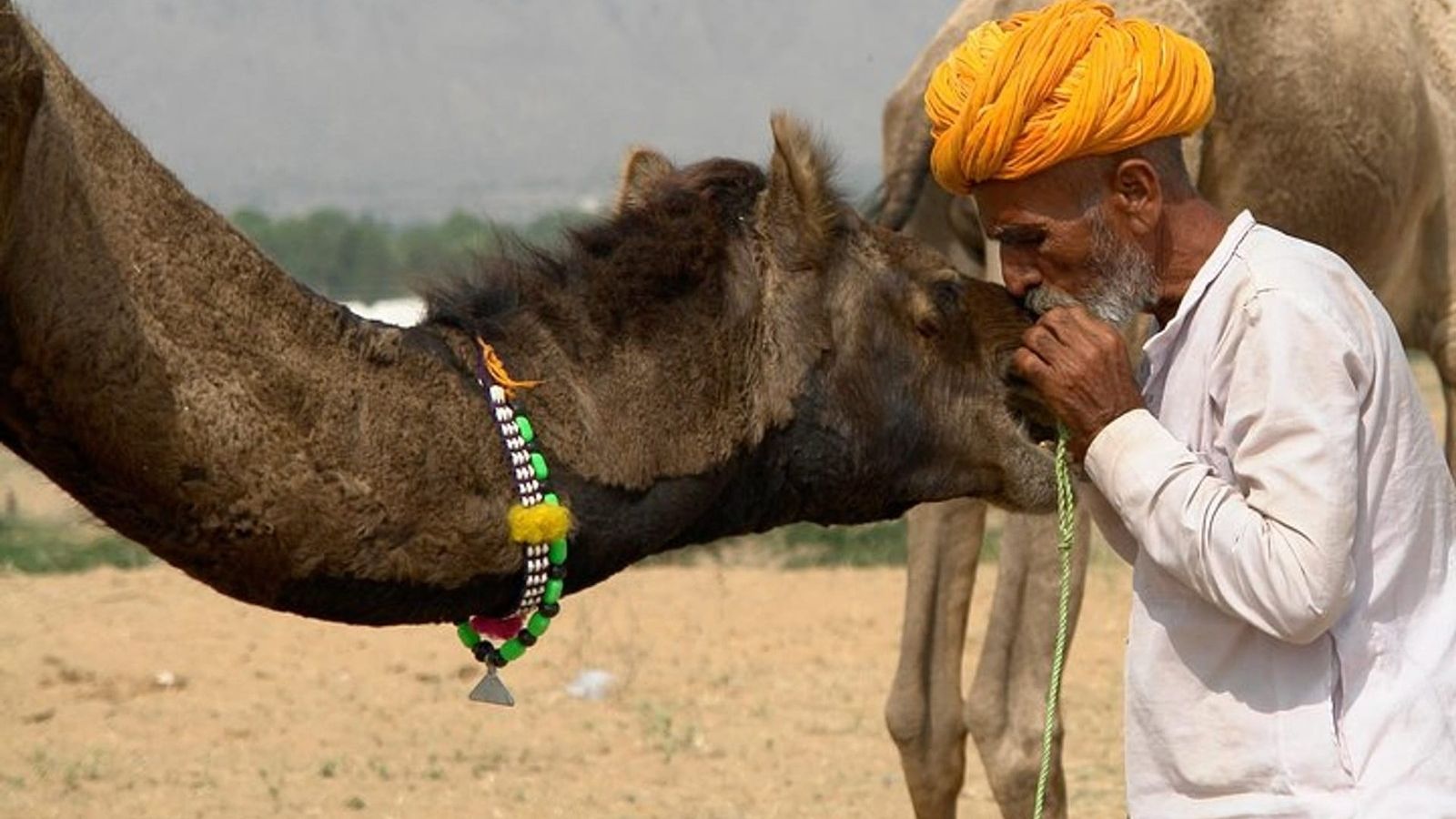
Unlike many Rajput forts built on hilltops, Junagarh Fort stands proudly on the desert plains and has never been conquered, making it one of Rajasthan's finest and best-preserved forts. Bikaner is also famous for its camel heritage, colourful festivals, delicious snacks, and exquisite Usta art, a traditional form of gold embossing unique to the region.
Whether you're interested in royal history, architecture, desert culture, or authentic Rajasthani cuisine, Bikaner offers an unforgettable experience away from the crowds of Rajasthan's larger cities.
Why Visit Bikaner?
- Explore the magnificent Junagarh Fort.
- Visit India's famous National Research Centre on Camel.
- Discover beautifully decorated palaces and temples.
- Experience authentic desert culture.
- Wander through vibrant local markets.
- Admire traditional Usta art and miniature paintings.
- Enjoy delicious Bikaneri cuisine and sweets.
- Ideal for history lovers, photographers, families, and cultural travellers.
Top Places to Visit in Bikaner
Junagarh Fort
One of Rajasthan's most impressive forts, Junagarh Fort is renowned for its grand palaces, richly decorated interiors, marble courtyards, and intricate carvings.
Highlights include:
- Anup Mahal
- Phool Mahal
- Chandra Mahal
- Karan Mahal
- Badal Mahal
- Fort Museum
Lalgarh Palace
Built in the early 20th century, this magnificent Indo-Saracenic palace combines Rajput, Mughal, and European architectural styles. Part of the palace has been converted into a heritage hotel and museum.
National Research Centre on Camel
Popularly known as the Camel Breeding Farm, this unique attraction offers visitors the opportunity to learn about different camel breeds, camel conservation, and even sample camel milk products.
Karni Mata Temple (Deshnoke)
Located approximately 30 km from Bikaner, this famous temple is dedicated to Karni Mata and is known worldwide for the thousands of sacred rats (locally called kabbas) that are revered by devotees.
Rampuria Havelis
These beautifully carved red sandstone merchant mansions showcase some of the finest examples of Rajput architecture in Rajasthan.
Bhandasar Jain Temple
A remarkable 15th-century Jain temple famous for its intricate carvings, colourful frescoes, and unique construction techniques.
Gajner Palace & Lake
Located about 35 km from Bikaner, this elegant lakeside palace offers peaceful surroundings, wildlife, and excellent birdwatching opportunities.
Things to Do in Bikaner
- Explore Junagarh Fort.
- Visit the Camel Research Centre.
- Discover Karni Mata Temple.
- Walk through the old city's narrow lanes.
- Shop for traditional handicrafts.
- Taste authentic Bikaneri snacks.
- Visit heritage havelis.
- Enjoy local festivals and cultural performances.
- Experience desert photography.
Cultural Experiences
Bikaner is renowned for:
- Usta gold embossing artwork
- Camel festivals
- Traditional folk music
- Puppet shows
- Miniature paintings
- Local handicrafts
- Desert heritage
Major Festivals
- Bikaner Camel Festival (January)
- Holi
- Diwali
- Gangaur Festival
- Teej Festival
Best Time to Visit
October to March
The best time to visit Bikaner, with pleasant temperatures ideal for sightseeing and outdoor activities.
January
An excellent time to experience the colourful Bikaner Camel Festival, featuring camel races, folk performances, cultural events, and traditional competitions.
April to June
Summer is hot but less crowded, with attractive hotel rates.
July to September
The monsoon brings slightly cooler temperatures and occasional showers.
How to Reach
By Air
The nearest airport is:
- Bikaner Airport (Nal Airport) with limited commercial flights.
- Jodhpur Airport – approximately 250 km away, offering wider domestic connectivity.
By Rail
Bikaner Junction is well connected by train to Delhi, Jaipur, Jodhpur, Mumbai, Kolkata, and several other major Indian cities.
By Road
Bikaner is well connected by road with:
- Jodhpur – 250 km
- Jaisalmer – 330 km
- Jaipur – 335 km
- Delhi – 450 km
Getting Around
- Auto-rickshaws
- Local taxis
- Private chauffeur-driven vehicles
- Walking (Old City)
Where to Stay
Luxury
- Heritage palaces
- Luxury hotels
- Boutique heritage properties
Mid-Range
- Boutique hotels
- Heritage havelis
- Comfortable city hotels
Budget
- Guesthouses
- Budget hotels
- Homestays
Local Cuisine
Bikaner is famous throughout India for its savoury snacks and sweets.
Don't miss:
- Bikaneri Bhujia
- Rasgulla (Bikaneri style)
- Kachori
- Dal Baati Churma
- Gatte Ki Sabzi
- Ker Sangri
- Bajra Roti
- Rabri
Shopping
Popular souvenirs include:
- Bikaneri Bhujia
- Usta artwork
- Camel leather products
- Miniature paintings
- Traditional textiles
- Silver jewellery
- Wooden handicrafts
- Handwoven carpets
Suggested Duration
1–2 Days
One to two days are sufficient to explore Bikaner's forts, palaces, temples, camel attractions, and vibrant local markets.
Suggested Itinerary
Day 1
- Arrive Bikaner
- Junagarh Fort
- Lalgarh Palace
- Rampuria Havelis
Day 2
- Camel Research Centre
- Karni Mata Temple (Deshnoke)
- Local Bazaar
- Departure
Nearby Destinations
- Deshnoke – 30 km
- Gajner – 35 km
- Jaisalmer – 330 km
- Jodhpur – 250 km
- Jaipur – 335 km
Is Bikaner Safe for Solo Travellers?
Yes. Bikaner is a friendly and welcoming city with a well-developed tourism infrastructure. Solo travellers can comfortably explore the city, its forts, museums, and nearby attractions while following normal travel precautions.
Why Book with Discovery Full Circle Tours?
At Discovery Full Circle Tours, we have been creating unforgettable journeys across Rajasthan and India since 2004. Our Bikaner tours combine magnificent heritage, authentic desert culture, and personalised service to deliver memorable travel experiences for every guest.
Why Choose Us?
✔ Over 20 years of trusted travel expertise
✔ Tailor-made private Rajasthan tours
✔ Carefully selected heritage hotels
✔ Professional local guides
✔ Comfortable chauffeur-driven transportation
✔ Transparent pricing with no hidden costs
✔ 24/7 travel assistance
✔ Safe travel arrangements for solo travellers
✔ Authentic cultural experiences
✔ Dedicated customer support from arrival to departure
Frequently Asked Questions
What is Bikaner famous for?
Bikaner is famous for Junagarh Fort, the National Research Centre on Camel, Karni Mata Temple, beautiful sandstone havelis, Usta artwork, and its world-famous Bikaneri Bhujia.
How many days are enough for Bikaner?
A 1–2 day stay is ideal to visit the city's main attractions, including Junagarh Fort, Lalgarh Palace, the Camel Research Centre, and Karni Mata Temple.
What is the best time to visit Bikaner?
The best time to visit is October to March, when the weather is pleasant for sightseeing. January is particularly popular because of the annual Bikaner Camel Festival.
Is Bikaner suitable for families?
Yes. Bikaner is an excellent destination for families, history enthusiasts, photographers, and travellers interested in Rajasthan's royal heritage and desert culture.
Is Bikaner safe for solo travellers?
Yes. Bikaner is generally considered a safe destination for solo travellers. The city is easy to explore, and its major tourist attractions are well connected.
Do I need a visa to visit Bikaner, India?
Most international travellers require a valid Indian Visa or e-Visa before travelling to Bikaner. Please visit our India Visa Guide for the latest visa information, eligibility, application process, and entry requirements.
Can I combine Bikaner with other destinations?
Yes. Bikaner is commonly included in Rajasthan itineraries alongside Jaisalmer, Jodhpur, Jaipur, Mandawa, Pushkar, and Delhi, offering an excellent combination of desert landscapes, royal heritage, and cultural experiences.
What is special about Junagarh Fort?
Unlike many forts in Rajasthan that were built on hilltops, Junagarh Fort stands on the desert plains and has never been captured in battle. It is renowned for its beautifully preserved palaces, intricate carvings, royal courtyards, and impressive collection of Rajput and Mughal architecture.