
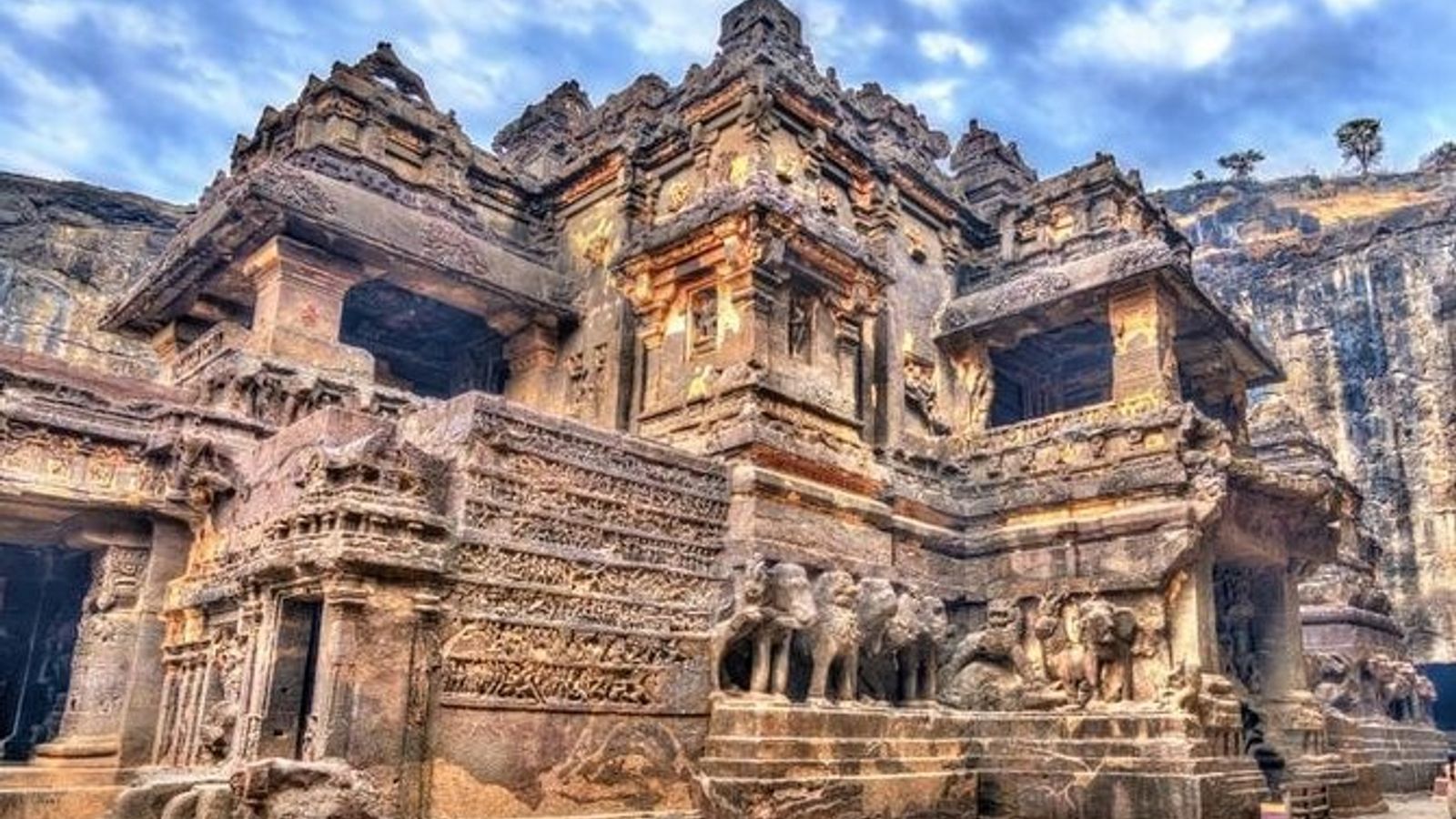
Ellora Caves
Private journeys, curated experiences and tailor-made routes through Ellora Caves.
Journeys
On request
Nearby Cities
0
Best Suited For
Private & tailor-made holidays
About Ellora Caves
Ellora Caves: A UNESCO World Heritage Site
The Ellora Caves are one of the most magnificent examples of rock-cut architecture and ancient art in India. Situated about 30 kilometers from Aurangabad in Maharashtra, the caves are renowned for their stunning sculptures, intricate carvings, and architectural marvels. A UNESCO World Heritage Site, Ellora is one of the largest and most visited cave complexes in India, representing the harmonious coexistence of Hindu, Buddhist, and Jain cultures.
1. History and Significance of Ellora Caves
Ellora Caves were excavated between the 5th and 10th centuries CE, and they served as religious centers for monks of various faiths. The site consists of 34 caves, which include temples, monasteries, and elaborate sculptures, spread over a distance of about 2 kilometers along the Charanandri hills. Unlike the Ajanta Caves (which are exclusively Buddhist), Ellora showcases the diversity of religious practices during that era, with Hindu, Buddhist, and Jain temples located together in a single complex.
- Buddhist Caves (1-12): The first group of caves primarily focuses on Buddhist monasteries and temples, with a strong emphasis on meditation and prayer.
- Hindu Caves (13-29): These caves reflect the grandeur of Hindu mythology and depict a variety of gods, goddesses, and legendary scenes from Hindu epics like the Ramayana and the Mahabharata.
- Jain Caves (30-34): The Jain caves are known for their beautiful architecture and detailed sculptures of Jain Tirthankaras.
The Kailasa Temple in Ellora is particularly famous for its stunning architecture and is considered one of the greatest rock-cut temples in the world.
2. Notable Caves to Visit
Cave 16 – Kailasa Temple
- The Kailasa Temple is the most famous and awe-inspiring of all the Ellora caves. It is a monolithic rock-cut structure, meaning it was carved out of a single piece of rock, and is often compared to the grand temples of Khajuraho. The temple is dedicated to Lord Shiva and showcases intricate carvings of mythological stories. The monolithic design is a feat of engineering, and the temple is surrounded by grand courtyards, pillars, and statues.
- The carvings around the temple depict the story of Mount Kailash (Shiva’s abode) and other key events from Hindu mythology.
Cave 1-12 – Buddhist Caves
- These caves primarily served as monasteries (viharas) and prayer halls (chaityas) for Buddhist monks. Cave 10, known as Vishvakarma Cave, is particularly famous for its large Buddha statue and its magnificent architecture.
- The murals and sculptures in the Buddhist caves are an excellent representation of the evolution of Buddhist art in India.
Cave 21 – Rameshwar Cave
- A significant cave dedicated to Lord Shiva, Cave 21 features detailed carvings of Hindu gods and is an important religious site within the Ellora complex.
Cave 30-34 – Jain Caves
- The Jain caves are smaller in size compared to the Hindu and Buddhist caves, but they are equally stunning. Cave 32 is famous for its beautifully carved sculptures of Jain Tirthankaras (enlightened beings in Jainism). The intricate sculptures and the peaceful environment reflect the tranquil philosophy of Jainism.
3. Ellora Caves Architecture and Art
- Rock-Cut Architecture: The caves are hewn directly from the volcanic basalt cliffs of the Charanandri Hills, a remarkable feat of ancient engineering. The layout of the caves, their interconnecting corridors, and the temples and sculptures carved out of the rock are a testament to the advanced architectural skills of the period.
- Sculptures and Reliefs: Ellora is famous for its detailed and expressive sculptures, which include gods, goddesses, and scenes from Hindu, Buddhist, and Jain mythology. The reliefs inside the caves are intricate and often tell religious stories.
- Inscriptions: The walls and pillars of several caves contain inscriptions that provide information about the religious history, royal patronage, and the artists who worked on these temples.
4. Best Time to Visit Ellora Caves
The best time to visit Ellora Caves is between October and March, during the cooler months. The temperature can get extremely hot during the summer months (April to June), making it uncomfortable for sightseeing. The monsoon season (July to September) can also bring heavy rainfall, which may hinder travel plans.
5. How to Reach Ellora Caves
- By Air: The nearest airport is in Aurangabad (30 km away), which is well-connected to major cities in India. From the airport, you can hire a taxi to reach the caves.
- By Train: The nearest railway station is Aurangabad Railway Station, which is well-connected to other parts of Maharashtra and India. From the station, you can take a taxi or a bus to Ellora.
- By Road: Ellora is easily accessible by road from Aurangabad, which has good road connectivity to major cities in Maharashtra.
6. Entry Fees and Timings
- Entry Fee: The entry fee for the Ellora Caves differs for Indian and foreign tourists. There may also be a separate fee for photography.
- Timings: The caves are open from 9:00 AM to 5:30 PM every day except for Mondays when they are closed.
7. Tips for Visiting Ellora Caves
- Comfortable Footwear: The caves involve a lot of walking and climbing stairs, so it's advisable to wear comfortable shoes.
- Guided Tours: Consider hiring a local guide to get insights into the history and significance of the caves. Audio guides are also available.
- Carry Water and Snacks: Ellora is located in a semi-desert region, so it's wise to carry water and snacks, especially during the hotter months.
- Respect the Sacred Site: As Ellora is a religious and historical site, it's essential to maintain decorum and respect the sanctity of the caves.
The Ellora Caves are a must-visit destination for anyone interested in ancient art, architecture, and religious history. With their stunning rock-cut architecture, intricate sculptures, and the peaceful ambiance that blends three different religious traditions, Ellora offers a unique and enriching experience. Whether you're an art enthusiast, a history lover, or a spiritual seeker, Ellora will leave you in awe of its grandeur and significance in India's cultural heritage.
Planning a trip?
Get a customized itinerary designed by our Ellora Caves experts.