
Jharkhand
Private journeys, curated experiences and tailor-made routes through Jharkhand .
Journeys
On request
Nearby Cities
0
Best Suited For
Private & tailor-made holidays
About Jharkhand
Jharkhand Tour Guide – Explore the Land of Forests and Waterfalls
Nestled in the heart of Eastern India, Jharkhand is a fascinating destination blessed with dense forests, rolling hills, magnificent waterfalls, abundant wildlife, sacred pilgrimage sites, and vibrant tribal culture. Its name literally means "Land of Forests," and the state remains one of India's most naturally beautiful yet lesser-explored travel destinations.
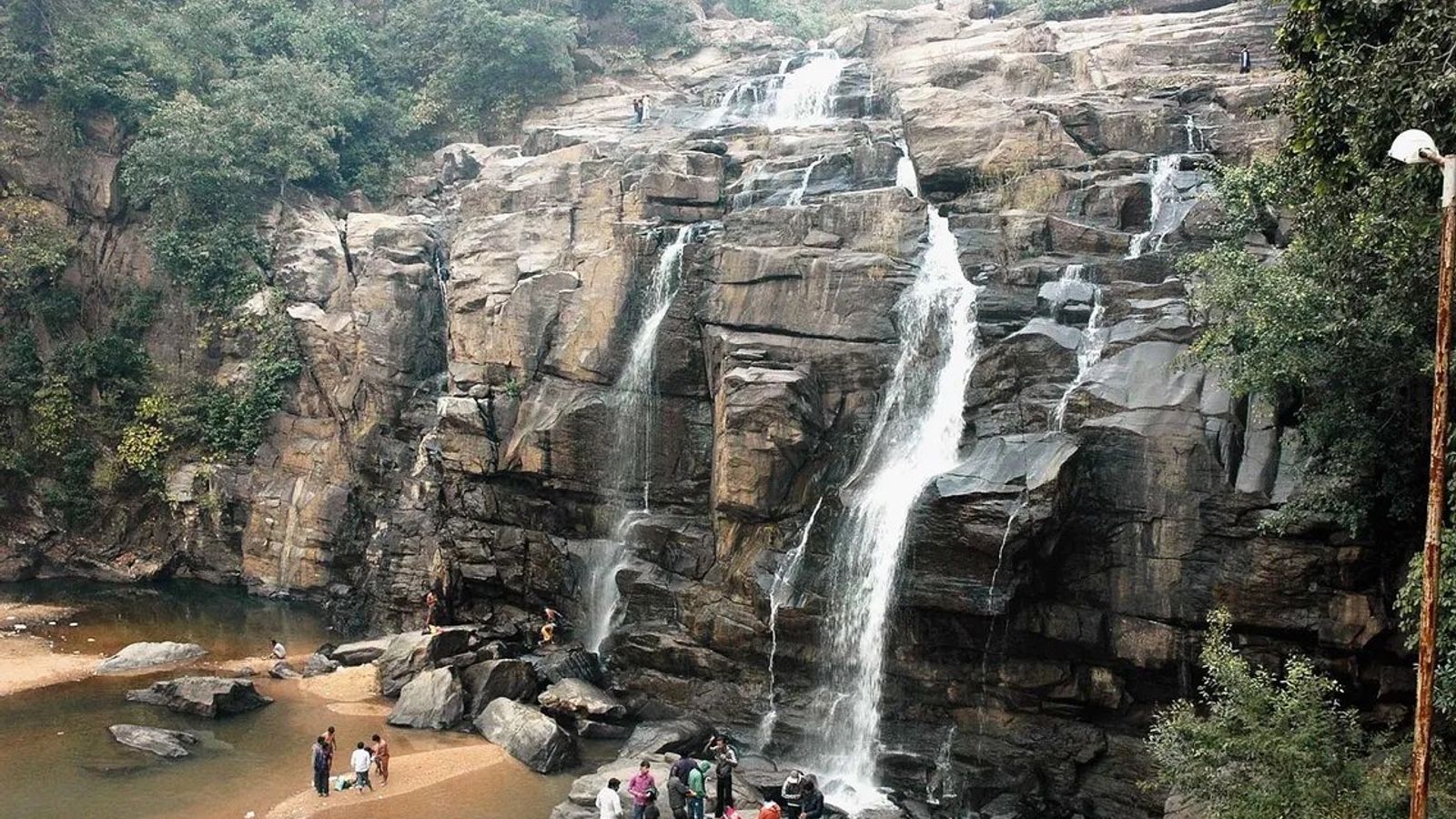
Formed in 2000, Jharkhand is home to several indigenous tribal communities who have preserved their unique traditions, music, dance, festivals, and handicrafts for generations. Alongside its rich cultural heritage, the state boasts spectacular natural attractions including Hundru Falls, Dassam Falls, Jonha Falls, the peaceful hill station of Netarhat, and the wildlife-rich Betla National Park.
Jharkhand is also an important spiritual destination, attracting millions of pilgrims to Baidyanath Jyotirlinga Temple in Deoghar and the sacred Jain pilgrimage site of Parasnath Hill, one of the holiest places in Jainism.
Whether you are interested in nature, wildlife, tribal culture, photography, adventure, or religious heritage, Jharkhand offers authentic experiences far from the crowded tourist routes.
Why Visit Jharkhand?
- Discover spectacular waterfalls and scenic landscapes.
- Experience authentic tribal culture and traditions.
- Enjoy wildlife safaris in Betla National Park.
- Visit one of India's twelve Jyotirlingas.
- Explore peaceful hill stations and forests.
- Trek to sacred Jain pilgrimage sites.
- Experience eco-tourism and adventure activities.
- Perfect for nature lovers, photographers, and cultural travellers.
Top Places to Visit in Jharkhand
Ranchi
The capital city is known as the "City of Waterfalls" and serves as the gateway to Jharkhand's natural attractions.
Highlights include:
- Hundru Falls
- Dassam Falls
- Jonha Falls
- Rock Garden
- Tagore Hill
- Ranchi Lake
Betla National Park
Located within the Palamau Tiger Reserve, Betla National Park is one of India's oldest national parks and is home to elephants, leopards, sloth bears, gaur, deer, langurs, and over 170 bird species. Visitors can enjoy jeep safaris, nature walks, and explore the historic Palamu Fort within the reserve.
Netarhat
Often called the "Queen of Chotanagpur," Netarhat is a serene hill station famous for its cool climate, pine forests, scenic viewpoints, and breathtaking sunrises and sunsets.
Highlights include:
- Magnolia Point
- Upper Ghaghri Falls
- Lower Ghaghri Falls
- Koel View Point
Deoghar
One of India's most important Hindu pilgrimage destinations, Deoghar is home to the revered Baidyanath Temple, one of the twelve sacred Jyotirlingas of Lord Shiva.
Parasnath Hill (Shikharji)
The highest peak in Jharkhand and one of the holiest pilgrimage sites for Jains, Parasnath Hill attracts devotees and trekkers alike with its spiritual significance and scenic beauty.
Hazaribagh
Known for its pleasant climate and surrounding forests, Hazaribagh offers lakes, wildlife, and access to nearby national parks and nature reserves.
Patratu Valley
A picturesque destination known for winding roads, lush green hills, and the scenic Patratu Dam, making it a favourite for road trips and photography.
Palamu Fort
Situated within Betla National Park, these historic forts date back to the Chero dynasty and add a fascinating historical dimension to a wildlife visit.
Hidden Gems
- Lodh Falls (Burha Ghagh)
- Panchghagh Falls
- Hirni Falls
- Rajrappa Temple
- McCluskieganj
- Ulihatu (Birthplace of Birsa Munda)
- Dalma Wildlife Sanctuary
- Dimna Lake
Things to Do in Jharkhand
- Visit magnificent waterfalls
- Enjoy jeep safaris in Betla National Park
- Trek to Parasnath Hill
- Explore tribal villages
- Visit Baidyanath Temple
- Experience local festivals
- Enjoy nature photography
- Explore historic forts
- Discover scenic hill stations
- Shop for tribal handicrafts
Cultural Experiences
Jharkhand is home to numerous tribal communities including the Santhal, Munda, Oraon, and Ho tribes. Visitors can experience traditional dances, folk music, colourful festivals, handicrafts, bamboo work, wood carving, and vibrant weekly tribal markets.
Major Festivals
- Sarhul
- Karma Festival
- Sohrai
- Tusu Festival
- Makar Sankranti
- Diwali
- Holi
- Shravani Mela (Deoghar)
Best Time to Visit
October to March
The ideal season for sightseeing, wildlife safaris, and exploring waterfalls and hill stations.
July to September
The monsoon transforms waterfalls and forests into lush green landscapes, making it an excellent time for nature lovers and photographers.
April to June
Warm weather, but suitable for hill stations such as Netarhat and early morning sightseeing.
How to Reach
By Air
Major airports:
- Birsa Munda Airport, Ranchi
- Deoghar Airport
By Rail
Major railway stations:
- Ranchi
- Dhanbad
- Jamshedpur (Tatanagar)
- Deoghar
- Hazaribagh Road
By Road
Jharkhand has good road connectivity with West Bengal, Bihar, Odisha, Chhattisgarh, and Uttar Pradesh.
Getting Around
- Private chauffeur-driven vehicles
- Trains
- Domestic flights
- Local taxis
- Auto-rickshaws
Where to Stay
Luxury
- Premium city hotels
- Boutique resorts
- Wildlife lodges
Mid-Range
- Comfortable hotels
- Eco-resorts
Budget
- Guesthouses
- Budget hotels
- Homestays
Local Cuisine
Don't miss:
- Dhuska
- Litti Chokha
- Rugra Mushroom Curry
- Chilka Roti
- Handia (traditional tribal rice beverage, where culturally appropriate)
- Bamboo shoot preparations
- Thekua
- Malpua
Shopping
Popular purchases include:
- Tribal handicrafts
- Bamboo products
- Dokra metal craft
- Wooden carvings
- Handwoven textiles
- Lac jewellery
- Stone artefacts
Suggested Duration
6–8 Days
A week is ideal to explore Ranchi, Betla National Park, Netarhat, Deoghar, and the state's famous waterfalls and cultural attractions.
Suggested Itinerary
Day 1
- Arrive Ranchi
- City sightseeing
Day 2
- Hundru Falls
- Dassam Falls
- Jonha Falls
Day 3
- Drive to Netarhat
- Sunset at Magnolia Point
Day 4
- Betla National Park Safari
- Palamu Fort
Day 5
- Deoghar
- Baidyanath Temple
Day 6
- Departure or extension to Parasnath Hill
Nearby Destinations
- Bihar
- West Bengal
- Odisha
- Chhattisgarh
- Uttar Pradesh
Is Jharkhand Safe for Solo Travellers?
Yes. Major tourist destinations such as Ranchi, Deoghar, Netarhat, and Betla National Park are generally safe for solo travellers. As with any destination, visitors should take normal travel precautions and use experienced guides when visiting remote forests or tribal areas.
Why Book with Discovery Full Circle Tours?
At Discovery Full Circle Tours, we have been designing unforgettable journeys across India since 2004. Our Jharkhand tours combine breathtaking natural beauty, wildlife, spiritual heritage, and authentic tribal experiences to offer travellers a unique perspective on one of India's most unexplored states.
Why Choose Us?
✔ Over 20 years of trusted travel expertise
✔ Tailor-made private tours
✔ Carefully selected hotels and eco-lodges
✔ Professional local guides
✔ Comfortable chauffeur-driven transportation
✔ Transparent pricing with no hidden costs
✔ 24/7 travel assistance
✔ Safe travel arrangements for solo travellers
✔ Authentic tribal and cultural experiences
✔ Dedicated customer support from arrival to departure
Whether you're seeking waterfalls, wildlife, hill stations, sacred temples, or immersive cultural experiences, Discovery Full Circle Tours will help you discover the hidden treasures of Jharkhand with comfort and confidence.
Frequently Asked Questions
What is Jharkhand famous for?
Jharkhand is famous for its spectacular waterfalls, Betla National Park, Baidyanath Jyotirlinga Temple, Parasnath Hill, lush forests, tribal culture, and scenic hill stations such as Netarhat.
How many days are enough for Jharkhand?
A 6–8 day itinerary is ideal to explore the state's major natural, cultural, wildlife, and spiritual attractions.
What is the best time to visit Jharkhand?
The best time to visit is October to March, while the monsoon season is perfect for enjoying the state's waterfalls and greenery.
Is Jharkhand suitable for families?
Yes. Jharkhand offers family-friendly experiences including nature, wildlife, hill stations, waterfalls, and pilgrimage destinations.
Is Jharkhand safe for solo travellers?
Yes. The main tourist destinations are generally safe for solo travellers. Travelling with local guides is recommended for remote forest or trekking areas.
Which airport serves Jharkhand?
Birsa Munda Airport (Ranchi) is the state's principal airport, while Deoghar Airport serves the important pilgrimage region.
Can Jharkhand be combined with other destinations?
Yes. Jharkhand combines well with Bihar, West Bengal, Odisha, and Chhattisgarh, making it an excellent addition to Eastern India itineraries focused on culture, wildlife, spirituality, and nature.