
Spiti Valley
Private journeys, curated experiences and tailor-made routes through Spiti Valley.
Journeys
On request
Nearby Cities
0
Best Suited For
Private & tailor-made holidays
About Spiti Valley
Spiti Valley Tourism: An Unforgettable Journey to the "Middle Land"
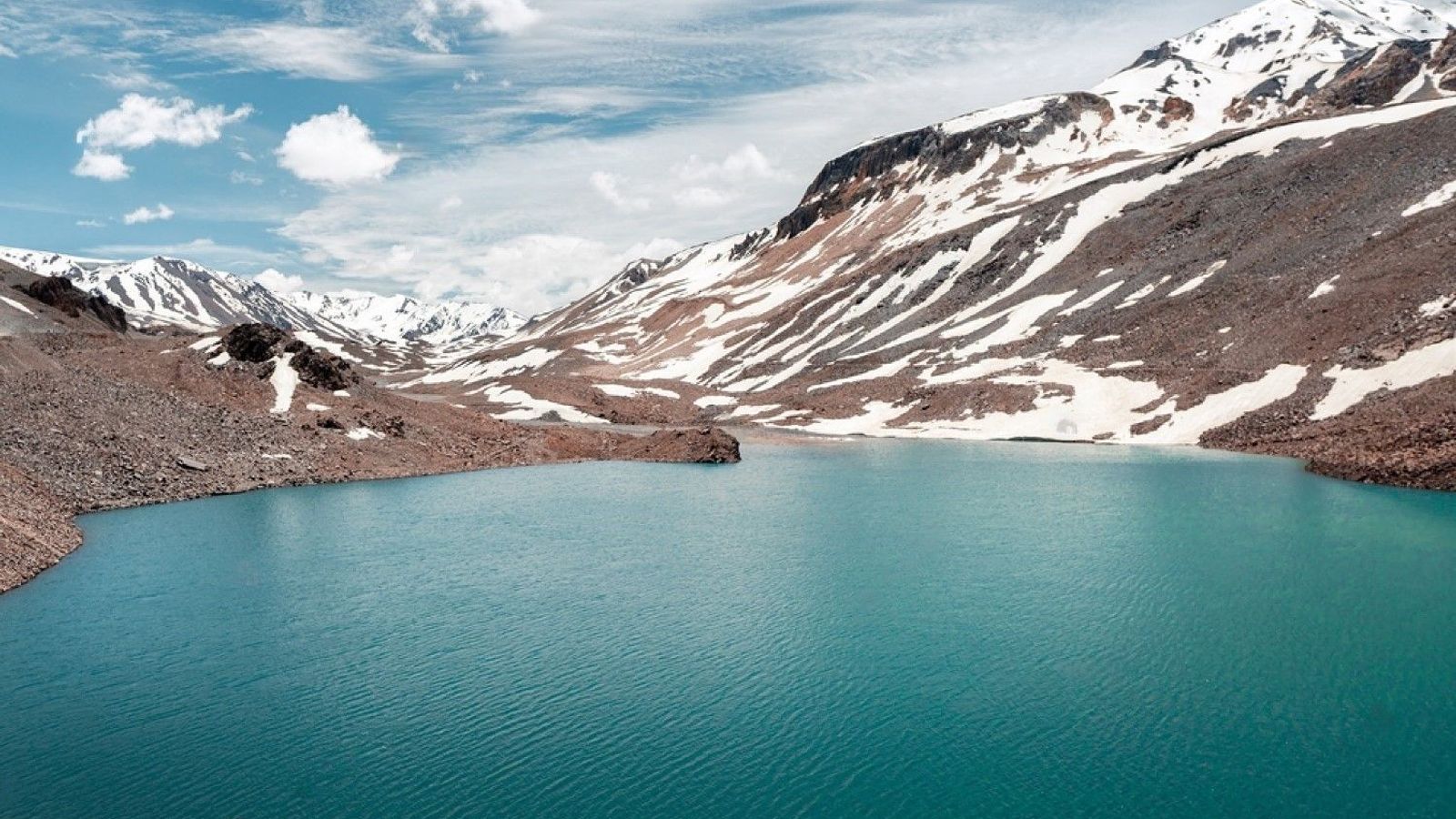
Nestled in the heart of the Indian Himalayas, Spiti Valley is a breathtakingly beautiful and remote region located in the northern state of Himachal Pradesh. The name "Spiti" means "The Middle Land," as it lies between India and Tibet, offering travelers an awe-inspiring experience of surreal landscapes, rich Buddhist culture, and a tranquil atmosphere that feels worlds away from modern life. Known for its high-altitude deserts, picturesque monasteries, and pristine natural beauty, Spiti Valley is a hidden gem for those seeking adventure, spirituality, and serenity in a pristine and rugged environment.
Key Attractions in Spiti Valley
- Kaza: The main town and administrative center of Spiti, Kaza is a charming, remote town where you can experience traditional Spitian culture. It serves as the perfect base for exploring nearby villages, monasteries, and trekking trails. The town is also home to local cafes and guesthouses where visitors can unwind.
- Key Monastery: The Key Monastery (also spelled Ki Monastery) is one of the most famous and visually striking Buddhist monasteries in Spiti. Perched atop a hill, it offers stunning panoramic views of the valley and the surrounding snow-capped peaks. The monastery is a major center for Buddhist learning and attracts pilgrims and tourists alike.
- Tabo Monastery: Known as the "Ajanta of the Himalayas," the Tabo Monastery is one of the oldest and most revered monasteries in India. Founded in the 10th century, it boasts remarkable murals, intricate carvings, and ancient statues that reflect the rich Tibetan Buddhist heritage of the region.
- Chicham Bridge: Spiti's Chicham Bridge is one of the highest bridges in Asia, offering an adrenaline-pumping experience while crossing it. The bridge connects Chicham Village to the rest of the Spiti Valley and provides breathtaking views of the surrounding gorge and mountains.
- Pin Valley National Park: The Pin Valley National Park is a haven for nature lovers and wildlife enthusiasts. The park is home to various species of flora and fauna, including the endangered Snow Leopard. The park also offers trekking trails that lead to picturesque villages like Mud Village, known for its scenic beauty and isolation.
- Dhankar Monastery: Another iconic site in Spiti Valley is the Dhankar Monastery, perched dramatically on a cliffside at an altitude of 3,894 meters. This monastery offers stunning views of the valley below and is home to a small but active Buddhist community.
- Kibber Village: Located at an altitude of 4,270 meters, Kibber is one of the highest motorable villages in the world. The village is surrounded by rugged landscapes and is home to a small community of people who have managed to preserve their traditional lifestyle despite the harsh environment.
- Langza Village: Famous for its Buddha statue, Langza Village offers panoramic views of the valley and is an ideal location for photography and nature walks. It is also known for the fossils found in the surrounding hills, giving it a unique place in the history of the region.
- Kunzum Pass: Kunzum Pass, located at an altitude of 4,551 meters, is a crucial gateway for travelers heading to Spiti Valley. The pass offers mesmerizing views of the Chandra Bhaga Range and connects Spiti to Lahaul. It is one of the highest motorable passes in the region.
Best Time to Visit Spiti Valley
The best time to visit Spiti Valley is during the summer months, from May to October, when the weather is relatively mild and accessible. During this time, the snow has melted, roads are open, and the valley’s stunning landscapes can be explored. The region is usually cut off from the rest of the world in the winter due to heavy snowfall, so winter travelers should plan their visit accordingly.
Adventure and Trekking in Spiti Valley
Spiti Valley is a trekker’s paradise, with its rugged terrain and remote locations offering numerous trekking opportunities:
- Pin Parvati Trek: This famous trekking route connects the Pin Valley in Spiti to Parvati Valley in Kullu. The trek takes you through a variety of landscapes, including lush green forests, alpine meadows, and barren mountains.
- Chandratal Lake Trek: A moderate trek that takes you to Chandratal Lake, one of the most stunning high-altitude lakes in India. Surrounded by snow-capped peaks, the lake is a popular spot for camping and photography.
- Kunzum Pass to Kaza Trek: A relatively short trek from Kunzum Pass to Kaza offers beautiful vistas of the Spitian landscape and is ideal for those who want to explore Spiti’s remote regions on foot.
Culture and Local Life in Spiti Valley
The culture of Spiti Valley is deeply influenced by Tibetan Buddhism. The region is home to several monasteries that are active centers for prayer, meditation, and learning. The local people of Spiti, known as Spitians, follow a traditional lifestyle, with a unique blend of Tibetan culture, customs, and practices.
Visitors to Spiti often have the opportunity to witness local festivals, such as Losar, the Tibetan New Year, which is celebrated with traditional dances, prayers, and rituals. The valley also celebrates several Buddhist festivals, where locals gather at monasteries to pray, make offerings, and participate in cultural performances.
How to Reach Spiti Valley
- By Road: The most common way to reach Spiti is by road, and it is accessible from Manali via the Rohtang Pass (open in summer) or from Shimla via the Kinnaur Valley. These roads are challenging but offer scenic views along the way.
- By Air: The nearest airport is in Kullu (Bhuntar), which is around 250 kilometers from Spiti. From there, one can hire a taxi to reach the valley.
- By Train: The nearest railway station is Shimla or Kalka; from there, travelers can drive or take buses to Spiti.
Tips for Traveling to Spiti Valley
- High Altitude: Spiti Valley is located at a high altitude, and visitors should be prepared for the thin air. It’s advisable to acclimatize for a day or two in Kaza before heading to higher altitudes.
- Pack Wisely: Due to its cold climate, even in summer, you should carry warm clothing, especially for night-time.
- Road Conditions: Roads in Spiti can be rough and challenging. It’s recommended to travel with a reliable guide or in a group.
- Stay Hydrated: Due to the dry conditions, carry plenty of water and keep yourself hydrated.
- Respect Local Culture: The people of Spiti follow a traditional lifestyle rooted in Buddhism. Always be respectful when visiting monasteries and villages.
Spiti Valley offers a unique blend of natural beauty, cultural richness, and adventure, making it one of the most sought-after destinations for travelers looking to explore the unexplored. From its ancient monasteries to its rugged landscapes, Spiti is truly a land of tranquility and mysticism, where time seems to stand still. Whether you're an adventure enthusiast, a culture seeker, or someone just looking for peace, Spiti Valley promises an unforgettable journey.
Planning a trip?
Get a customized itinerary designed by our Spiti Valley experts.