
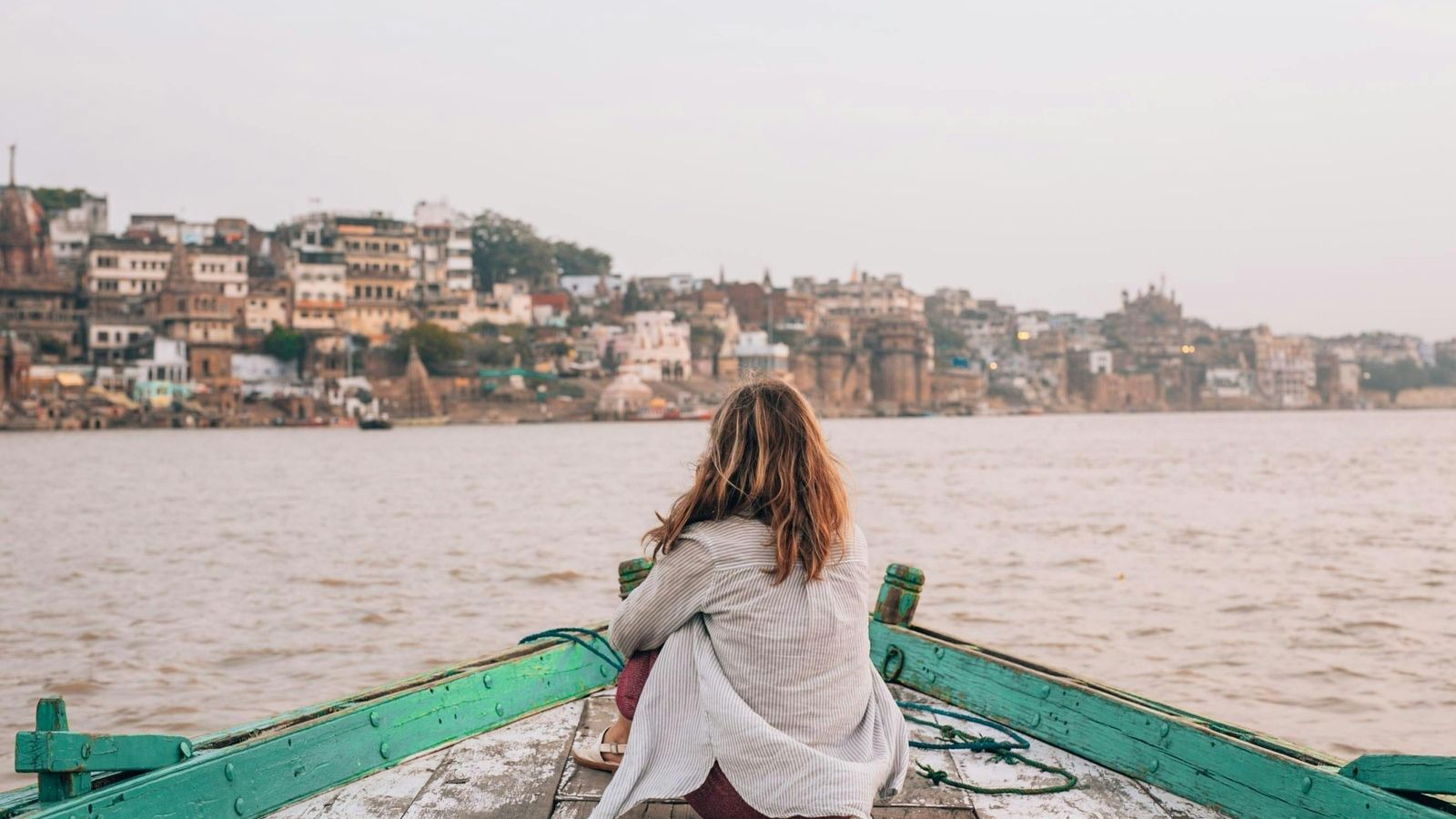
Varanasi
Private journeys, curated experiences and tailor-made routes through Varanasi.
Journeys
On request
Nearby Cities
0
Best Suited For
Private & tailor-made holidays
About Varanasi
Varanasi – The Spiritual Capital of India
Situated on the banks of the sacred River Ganges, Varanasi (also known as Kashi or Banaras) is one of the world's oldest continuously inhabited cities and one of the holiest destinations in Hinduism. With a history spanning more than 3,000 years, Varanasi is a city where spirituality, culture, history, and daily life blend in a truly unforgettable way.
Pilgrims, scholars, photographers, and travellers from around the world visit Varanasi to witness the spectacular Ganga Aarti, take a peaceful sunrise boat ride along the ghats, seek blessings at the revered Shri Kashi Vishwanath Temple, and explore the city's ancient lanes filled with temples, markets, and traditional silk weaving workshops.
Varanasi is also the gateway to Sarnath, one of Buddhism's most important pilgrimage sites, making it an essential destination for both Hindu and Buddhist travellers.
Why Visit Varanasi?
- Witness the world-famous Ganga Aarti ceremony.
- Take a memorable sunrise boat ride on the River Ganges.
- Visit the sacred Shri Kashi Vishwanath Temple.
- Explore centuries-old ghats and temples.
- Discover the spiritual traditions of one of the world's oldest cities.
- Visit nearby Sarnath, where Lord Buddha delivered his first sermon.
- Experience authentic Banarasi culture, cuisine, and silk weaving.
Top Tourist Attractions
Shri Kashi Vishwanath Temple
One of the twelve Jyotirlingas dedicated to Lord Shiva, the Shri Kashi Vishwanath Temple is among the most sacred pilgrimage sites in India and attracts millions of devotees every year.
Dashashwamedh Ghat
The most famous ghat in Varanasi, Dashashwamedh Ghat comes alive every evening with the spectacular Ganga Aarti, where priests perform elaborate rituals with lamps, incense, and devotional chanting.
Sunrise Boat Ride on the Ganges
A sunrise boat ride offers one of the most memorable experiences in India, providing panoramic views of Varanasi's historic ghats as pilgrims perform morning rituals along the sacred river.
Manikarnika Ghat
One of Hinduism's holiest cremation ghats, Manikarnika Ghat offers visitors an opportunity to understand the city's deep spiritual beliefs surrounding life, death, and liberation (moksha).
Assi Ghat
A peaceful and popular riverside ghat known for its morning yoga sessions, cultural performances, cafés, and relaxed atmosphere.
Sarnath
Located approximately 10 km from Varanasi, Sarnath is one of Buddhism's holiest sites where Lord Buddha delivered his first sermon. Highlights include the Dhamek Stupa, Archaeological Museum, and international monasteries.
Banaras Hindu University (BHU)
One of Asia's largest residential universities, BHU features beautiful architecture, museums, and the impressive New Vishwanath Temple.
Ramnagar Fort
Situated on the opposite bank of the Ganges, this 18th-century fort houses a museum displaying royal artefacts, vintage cars, weapons, and manuscripts.
Things to Do
- Attend the evening Ganga Aarti.
- Enjoy a sunrise boat ride on the River Ganges.
- Visit Shri Kashi Vishwanath Temple.
- Walk through the ancient lanes of Old Varanasi.
- Explore Sarnath.
- Visit silk weaving workshops.
- Taste authentic Banarasi cuisine.
- Shop for Banarasi silk sarees and handicrafts.
- Experience classical music and cultural performances.
Local Cuisine
Varanasi is famous for its traditional street food and sweets, including:
- Kachori Sabzi
- Tamatar Chaat
- Baati Chokha
- Banarasi Paan
- Malaiyo (winter specialty)
- Rabri
- Jalebi
- Lassi
- Thandai
Shopping
Popular purchases include:
- Banarasi Silk Sarees
- Silk Fabrics
- Brassware
- Wooden Toys
- Rudraksha Beads
- Religious Souvenirs
- Handicrafts
- Musical Instruments
- Traditional Jewellery
Best Time to Visit
October to March
The most pleasant season for sightseeing, boat rides, temple visits, and cultural experiences.
November
Experience Dev Deepawali, when thousands of oil lamps illuminate the ghats following Diwali, creating one of India's most spectacular religious festivals.
February to March
Ideal weather for exploring the city and combining Varanasi with nearby destinations.
How to Reach
By Air
Lal Bahadur Shastri International Airport (VNS) is located approximately 25 km from the city centre and offers domestic and selected international connections.
By Train
Varanasi Junction, Banaras Railway Station, and Pt. Deen Dayal Upadhyaya Junction provide excellent rail connectivity with Delhi, Agra, Lucknow, Kolkata, Mumbai, Jaipur, and other major cities.
By Road
Approximate driving distances:
Suggested Stay
- 2 Nights: Explore the city's major attractions and experience the Ganga Aarti.
- 3 Nights: Include Sarnath, Ramnagar Fort, silk weaving workshops, and cultural experiences.
- 4 Nights: Combine Varanasi with Prayagraj or Ayodhya for a comprehensive spiritual journey.
Nearby Attractions
- Sarnath
- Prayagraj
- Ayodhya
- Vindhyachal
- Chunar Fort
- Bodh Gaya
- Kushinagar
Travel Tips
- Take the sunrise boat ride for the best views and photography.
- Dress modestly when visiting temples and religious sites.
- Wear comfortable footwear for walking through narrow lanes.
- Respect local customs while visiting the ghats.
- Keep valuables secure in crowded areas.
- Book accommodation well in advance during Dev Deepawali and major festivals.
Why Choose Discovery Full Circle Tours?
With over 20 years of experience, Discovery Full Circle Tours specialises in tailor-made holidays across India. We provide carefully planned itineraries, quality accommodation, private air-conditioned transportation, experienced English-speaking drivers, knowledgeable local guides, and personalised service. Our spiritual and cultural tours seamlessly combine Varanasi with Sarnath, Prayagraj, Ayodhya, Bodh Gaya, Lucknow, and other iconic destinations, offering unforgettable experiences in the spiritual heart of India.
Frequently Asked Questions (FAQs)
1. What is Varanasi famous for?
Varanasi is famous for the Ganga Aarti, Shri Kashi Vishwanath Temple, sunrise boat rides on the River Ganges, ancient ghats, Banarasi silk, and its status as one of the world's oldest living cities.
2. What is the best time to visit Varanasi?
The best time to visit is October to March, when the weather is pleasant. Dev Deepawali in November is one of the most spectacular times to experience the city.
3. How many days should I stay in Varanasi?
A 2 to 3-night stay is ideal to experience the Ganga Aarti, sunrise boat ride, temples, Sarnath, and the city's cultural heritage.
4. What are the must-visit attractions in Varanasi?
Shri Kashi Vishwanath Temple, Dashashwamedh Ghat, Assi Ghat, Manikarnika Ghat, Sarnath, Banaras Hindu University, Ramnagar Fort, and the famous silk weaving workshops are among the city's top attractions.
5. Can Varanasi be combined with other destinations?
Yes. Varanasi is commonly combined with Sarnath, Prayagraj, Ayodhya, Lucknow, Bodh Gaya, Kushinagar, and Khajuraho as part of spiritual, cultural, and Buddhist Circuit tours.
6. What can I buy in Varanasi?
Visitors can shop for Banarasi silk sarees, silk fabrics, brassware, Rudraksha beads, religious souvenirs, wooden handicrafts, traditional jewellery, and locally crafted musical instruments.
7. Is Varanasi suitable for international travellers?
Absolutely. Varanasi is one of India's most iconic destinations, offering an unforgettable experience of spirituality, culture, history, architecture, and authentic local traditions.
8. Is Varanasi safe for solo travellers?
Yes. Varanasi is generally considered safe for solo travellers, including international visitors. As with any destination, travellers should take sensible precautions such as keeping valuables secure, using authorised taxis or app-based transport, avoiding isolated areas late at night, and respecting local customs and dress codes, particularly when visiting religious sites. Booking with Discovery Full Circle Tours provides added peace of mind through reliable private transportation, experienced local guides, carefully selected accommodation, and 24/7 travel assistance throughout your journey.