
Hampi
Private journeys, curated experiences and tailor-made routes through Hampi .
Journeys
On request
Nearby Cities
0
Best Suited For
Private & tailor-made holidays
About Hampi
Hampi – The Glorious Ruins of the Vijayanagara Empire
Nestled on the banks of the Tungabhadra River in Karnataka, Hampi is one of India's most remarkable archaeological treasures and a UNESCO World Heritage Site. Once the flourishing capital of the mighty Vijayanagara Empire during the 14th to 16th centuries, Hampi was among the world's largest and wealthiest cities, attracting traders from Persia, Portugal, and beyond.
Today, the ancient city captivates visitors with over 1,600 surviving monuments, including magnificent temples, royal palaces, market streets, pavilions, elephant stables, and intricately carved stone structures. The dramatic landscape of giant granite boulders, banana plantations, and riverside scenery creates a setting unlike anywhere else in India.
Hampi is a paradise for history enthusiasts, photographers, architecture lovers, and cultural travellers seeking to explore one of India's greatest heritage destinations.
Why Visit Hampi?
- UNESCO World Heritage Site.
- Explore the magnificent ruins of the Vijayanagara Empire.
- Visit beautifully preserved temples and royal monuments.
- Experience one of India's most unique landscapes.
- Excellent destination for photography and history lovers.
- Beautiful sunrise and sunset viewpoints.
- Rich blend of culture, architecture, and mythology.
Top Tourist Attractions
Virupaksha Temple
Dedicated to Lord Shiva, the Virupaksha Temple is Hampi's oldest functioning temple and has been an important place of worship for over 1,000 years. Its towering gopuram, intricate carvings, and vibrant religious atmosphere make it one of the city's most significant landmarks.
Vittala Temple
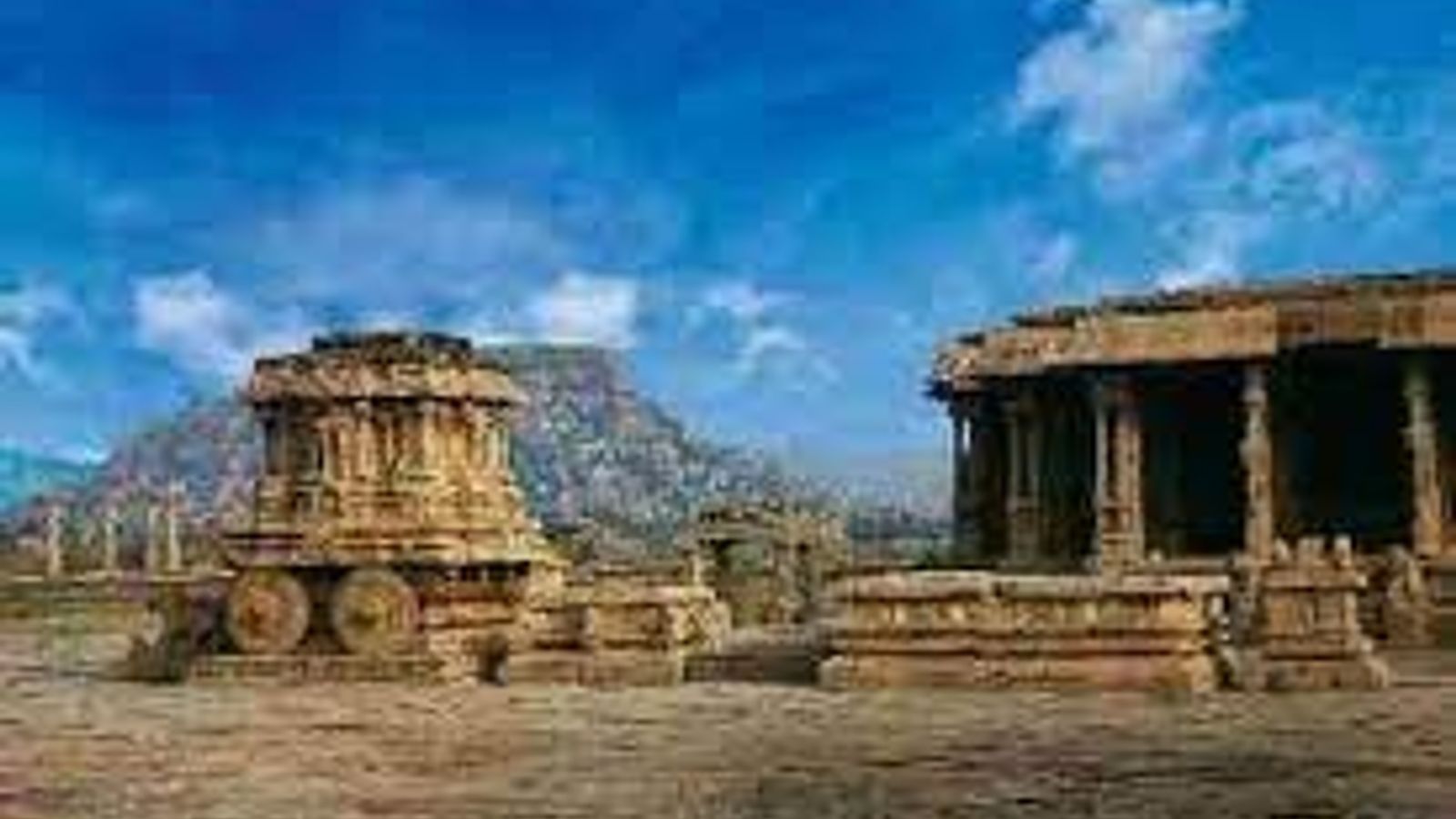
The architectural masterpiece of Hampi, the Vittala Temple is renowned for its iconic Stone Chariot and the famous musical pillars, showcasing the extraordinary craftsmanship of the Vijayanagara Empire.
Stone Chariot
One of India's most recognised monuments, the beautifully carved Stone Chariot has become the symbol of Hampi and features on India's ₹50 currency note.
Lotus Mahal
Located within the Royal Enclosure, the elegant Lotus Mahal blends Hindu and Islamic architectural styles and once served as a royal pavilion for the queens of Vijayanagara.
Elephant Stables
These impressive domed structures housed the royal elephants and remain among Hampi's best-preserved monuments.
Hazara Rama Temple
Known for its intricate bas-reliefs depicting scenes from the Ramayana, this temple was once the private place of worship for the Vijayanagara royal family.
Hemakuta Hill
Offering panoramic views of Hampi's temples and rocky landscape, Hemakuta Hill is one of the best locations to watch sunrise and sunset.
Matanga Hill
The highest point in Hampi, Matanga Hill rewards visitors with spectacular views over the ancient ruins, the Tungabhadra River, and surrounding countryside.
Achyutaraya Temple & Hampi Bazaar
A less crowded yet magnificent temple complex connected to the historic market street, reflecting Hampi's importance as a thriving trading centre.
Tungabhadra River
The river offers peaceful coracle rides and scenic walks, adding another dimension to the Hampi experience.
Things to Do
- Explore the UNESCO World Heritage monuments.
- Visit Virupaksha Temple and Vittala Temple.
- Photograph the famous Stone Chariot.
- Enjoy sunrise at Matanga Hill.
- Watch sunset from Hemakuta Hill.
- Take a coracle ride on the Tungabhadra River.
- Cycle through the ancient ruins.
- Visit local villages and banana plantations.
- Discover Hampi's cafés and handicraft shops.
Local Cuisine
Hampi offers a mix of traditional Karnataka cuisine and international cafés, including:
- Bisi Bele Bath
- Jolada Roti
- Ragi Mudde
- South Indian Thali
- Masala Dosa
- Idli & Vada
- Filter Coffee
- Fresh sugarcane juice
- Local banana products
Shopping
Popular souvenirs include:
- Stone carvings
- Handwoven textiles
- Brass artefacts
- Tribal jewellery
- Leather crafts
- Paintings
- Handmade pottery
- Local handicrafts
Best Time to Visit
October to March
The ideal season for sightseeing with pleasant temperatures, making it comfortable to explore Hampi's extensive archaeological sites.
July to September
The monsoon brings lush greenery and dramatic scenery, although occasional rainfall may affect outdoor exploration.
April to June
Temperatures can be very high, so sightseeing is best undertaken early in the morning and late in the afternoon.
How to Reach
By Air
Nearest airports:
- Vidyanagar (Jindal Vijaynagar Airport) – Approx. 40 km
- Hubballi Airport – Approx. 165 km
- Bengaluru International Airport – Approx. 340 km
By Train
Nearest railway station:
- Hospet Junction (Hosapete) – Approx. 13 km
Hospet is well connected to Bengaluru, Hyderabad, Goa, and other major Indian cities.
By Road
Hampi is easily accessible by road from:
- Hospet (13 km)
- Badami (Approx. 140 km)
- Bengaluru (Approx. 340 km)
- Goa (Approx. 320 km)
- Hyderabad (Approx. 380 km)
Suggested Itinerary
- 2 Nights: Explore the main UNESCO monuments.
- 3 Nights: Visit nearby villages, temples, and viewpoints at a relaxed pace.
- 4 Nights: Ideal for photographers, history enthusiasts, and those wishing to explore the surrounding region.
Nearby Attractions
- Anegundi
- Badami
- Pattadakal
- Aihole
- Daroji Sloth Bear Sanctuary
- Hospet
- Sandur
Travel Tips
- Wear comfortable walking shoes as the monuments cover a large area.
- Carry a hat, sunscreen, and plenty of water.
- Start sightseeing early to avoid the midday heat.
- Hire a knowledgeable local guide to understand Hampi's rich history.
- Respect religious customs when visiting temples.
- Plan at least two full days to explore the UNESCO site.
Why Choose Discovery Full Circle Tours?
Discovery Full Circle Tours offers expertly designed heritage tours across South India, combining Hampi with destinations such as Badami, Pattadakal, Aihole, Mysuru, Coorg, Kabini, and Goa. With over 20 years of experience, we provide private transportation, carefully selected accommodation, experienced English-speaking drivers, knowledgeable local guides, and personalised service, ensuring an enriching and seamless travel experience through the cultural heart of Karnataka.
Frequently Asked Questions (FAQs)
1. What is Hampi famous for?
Hampi is famous for its UNESCO World Heritage-listed ruins of the Vijayanagara Empire, including the Stone Chariot, Virupaksha Temple, and Vittala Temple.
2. What is the best time to visit Hampi?
The best time is October to March, when the weather is pleasant for exploring the extensive archaeological site.
3. How many days are enough for Hampi?
A 2 to 3-night stay is recommended to explore the major monuments, viewpoints, and nearby attractions.
4. Is Hampi suitable for families?
Yes. Hampi is ideal for families, couples, photographers, history enthusiasts, architecture lovers, and cultural travellers.
5. Is Hampi a UNESCO World Heritage Site?
Yes. Hampi was designated a UNESCO World Heritage Site in 1986 for its outstanding cultural and historical significance.
6. Can Hampi be combined with other destinations?
Yes. Hampi is commonly combined with Badami, Pattadakal, Aihole, Goa, Coorg, Mysuru, and Bandipur National Park.
7. What should I not miss in Hampi?
The Virupaksha Temple, Vittala Temple, Stone Chariot, Lotus Mahal, Elephant Stables, Hemakuta Hill, and Matanga Hill are among the must-visit attractions.