
Sacred Origin
Why Amritsar holds supreme spiritual power
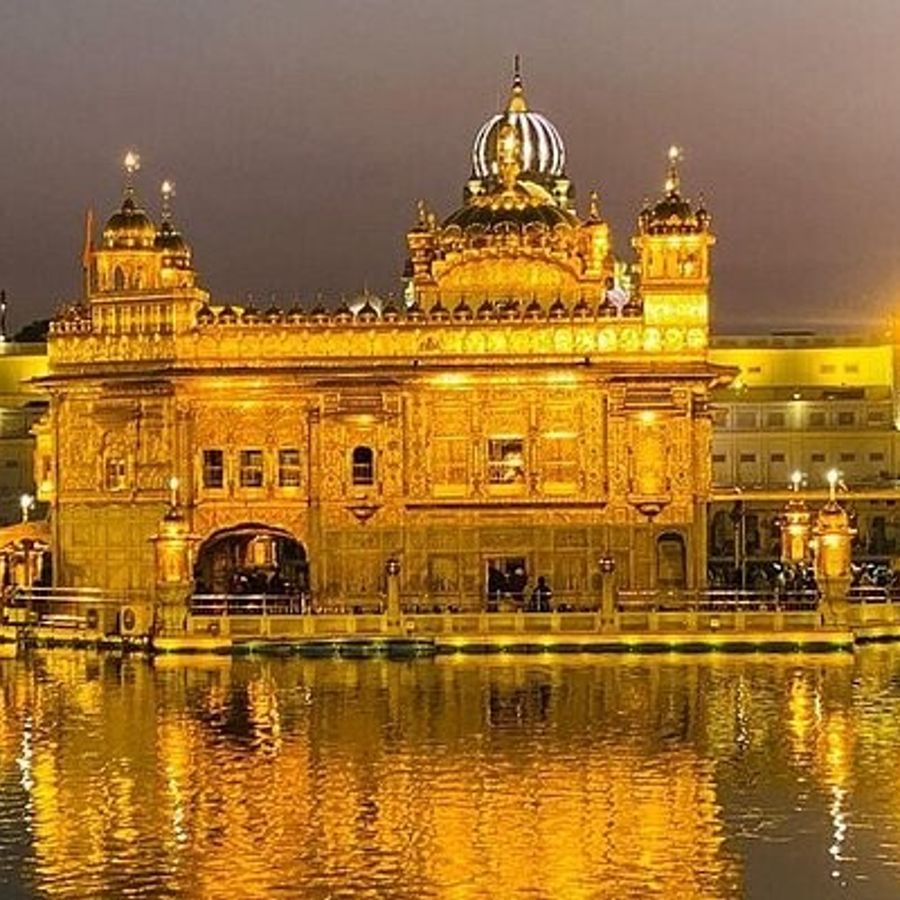
Sri Harmandir Sahib, known globally as the Golden Temple, is the holiest Gurdwara of Sikhism. It was conceived as a house of worship open to all faiths and castes, with four entrances symbolising universal welcome — a founding principle that remains central to the site today.
Chronicles & Heritage
A journey through millennia
Guru Arjan, the fifth Sikh Guru, designed the temple and had the foundation stone laid by the Muslim Sufi saint Mian Mir in 1588, deliberately built lower than the surrounding land so that visitors descend in humility. The temple's gold plating was added in the early 19th century under Maharaja Ranjit Singh.
Sanctuary Imagery
Visual glimpses of Amritsar
Private Pilgrimage Concierge
Ready for your Yatra to Amritsar?
Our travel specialists organize private vehicles, VIP temple darshan arrangements, and comfortable hotel stays.