
Gwalior
Private journeys, curated experiences and tailor-made routes through Gwalior.
Journeys
On request
Nearby Cities
0
Best Suited For
Private & tailor-made holidays
About Gwalior
Gwalior Travel Guide – The Historic Gateway to Central India
Situated in the heart of Madhya Pradesh, Gwalior is one of India's most captivating heritage cities, renowned for its magnificent hilltop fort, royal palaces, ancient temples, and rich cultural legacy. With a history spanning over a thousand years, Gwalior has been ruled by the Tomars, Mughals, Marathas, and the Scindia dynasty, each leaving behind remarkable architectural treasures that continue to fascinate visitors.
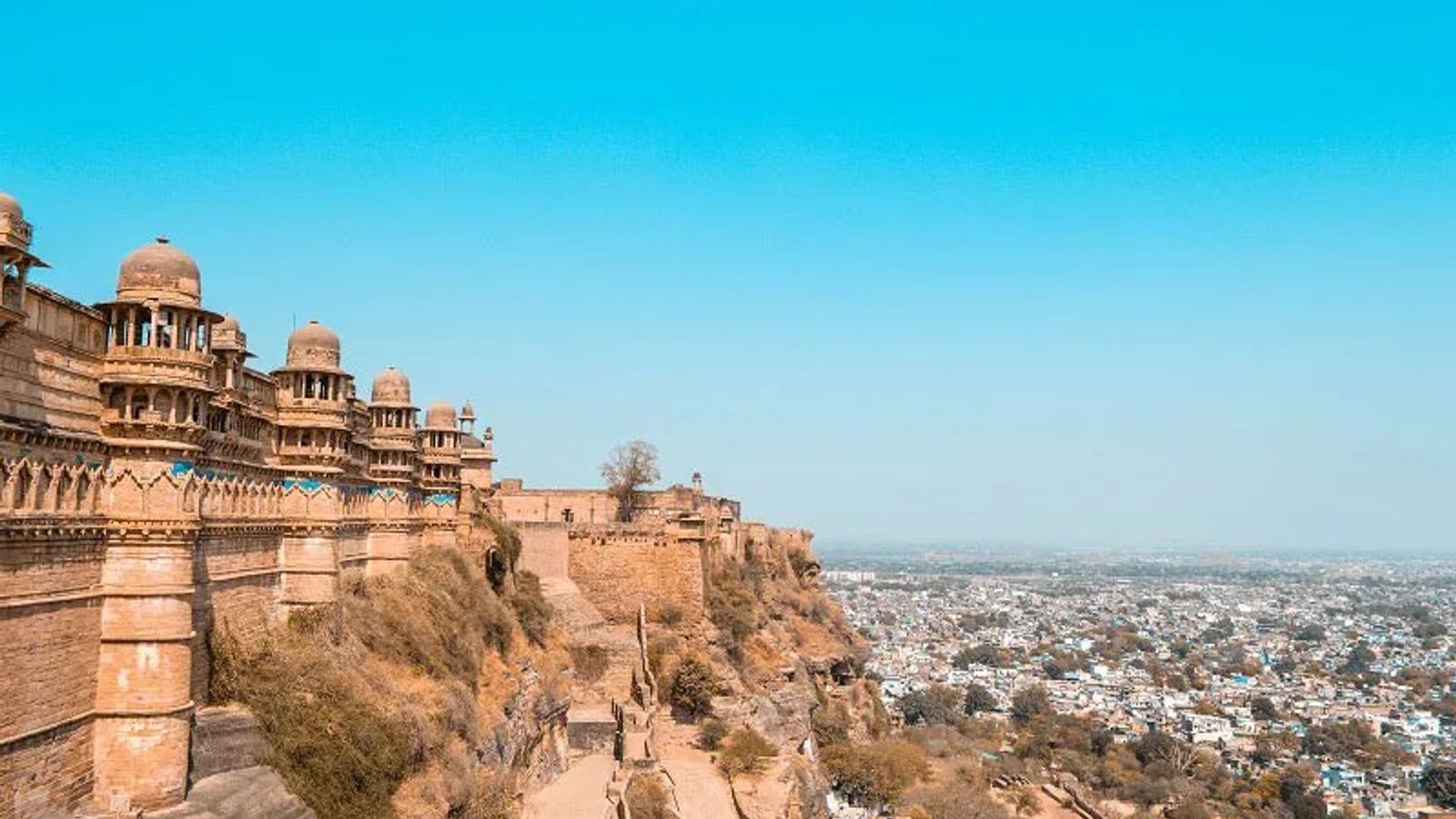
Dominating the city's skyline is the majestic Gwalior Fort, often described as the "Gibraltar of India." Rising dramatically above the surrounding plains, the fort houses stunning palaces, intricately carved temples, ancient water reservoirs, and one of India's oldest rock-cut Jain sculptures.
Gwalior is also celebrated as the birthplace of Hindustani classical music legend Tansen, one of Emperor Akbar's famed Navratnas. Every year, the prestigious Tansen Music Festival attracts renowned musicians and music lovers from around the world.
Whether you're passionate about history, architecture, photography, or Indian culture, Gwalior offers a rewarding blend of royal grandeur and timeless heritage.
Why Visit Gwalior?
- Explore one of India's most impressive hill forts
- Visit the magnificent Jai Vilas Palace
- Discover centuries of royal history
- Admire ancient Jain rock-cut sculptures
- Experience the birthplace of Tansen
- Explore museums, temples, and bustling bazaars
- Ideal destination for history enthusiasts and photographers
- Easily combined with Orchha, Khajuraho, Agra, and Jhansi
Top Attractions in Gwalior
Gwalior Fort
Perched on a sandstone hill nearly 100 metres above the city, Gwalior Fort is among India's finest forts. Its imposing walls, blue-tiled decorations, magnificent gateways, palaces, temples, and panoramic views make it the city's most iconic attraction.
Man Singh Palace
Located inside Gwalior Fort, this beautifully decorated palace is famous for its colourful glazed tile work depicting ducks, elephants, and peacocks. Built by Raja Man Singh Tomar in the 15th century, it showcases exquisite Rajput architecture.
Jai Vilas Palace
A magnificent 19th-century palace built by Maharaja Jayajirao Scindia, Jai Vilas Palace combines European architectural styles with royal Indian elegance. Part of the palace remains the residence of the Scindia family, while the museum displays royal carriages, antique furniture, rare artefacts, and the famous Durbar Hall featuring two of the world's largest chandeliers.
Saas Bahu Temple
Dating back to the 11th century, these intricately carved temples dedicated to Lord Vishnu are among Gwalior's finest examples of medieval temple architecture.
Teli Ka Mandir
The tallest temple inside Gwalior Fort, Teli Ka Mandir is an architectural masterpiece combining North and South Indian temple styles.
Gujari Mahal Archaeological Museum
Originally built by Raja Man Singh Tomar for Queen Mrignayani, this palace now houses one of Central India's finest collections of sculptures, inscriptions, and archaeological artefacts dating from the 1st century BC onwards.
Rock-Cut Jain Statues
The giant Jain sculptures carved directly into the cliffs surrounding Gwalior Fort are among the largest and most impressive rock-cut monuments in India.
Tansen Memorial
Dedicated to the legendary musician Tansen, this peaceful memorial is an important pilgrimage site for lovers of Indian classical music.
Hidden Gems
- Gopachal Parvat
- Suraj Kund
- Italian Garden
- Tomb of Ghaus Mohammed
- Sun Temple (Surya Mandir)
- Sarod Ghar Museum
- Phool Bagh
- Captain Roop Singh Stadium area
Things to Do in Gwalior
- Explore Gwalior Fort
- Visit royal palaces and museums
- Attend the Sound and Light Show at the fort
- Enjoy heritage photography
- Discover local markets
- Experience the Tansen Music Festival (seasonal)
- Taste traditional Madhya Pradesh cuisine
- Shop for handicrafts and textiles
- Explore ancient temples
Cultural Experiences
Gwalior has long been a centre of Indian classical music, literature, and art. Visitors can experience traditional music festivals, local handicrafts, temple architecture, and the rich heritage of the Scindia dynasty.
Local Festivals
- Tansen Music Festival
- Diwali
- Holi
- Navratri
- Dussehra
- Gwalior Trade Fair
Best Time to Visit
October to March
Pleasant weather makes this the ideal season for sightseeing, fort exploration, and cultural activities.
July to September
The monsoon transforms the surrounding landscape into lush greenery, offering beautiful views from the fort.
April to June
Summers are warm, but early morning sightseeing remains enjoyable.
How to Reach
By Air
Rajmata Vijaya Raje Scindia Airport (Gwalior) offers regular flights from major Indian cities.
Nearest international airport:
- Delhi – Approximately 340 km
By Rail
Gwalior Junction is well connected with:
By Road
Excellent road connections from:
Getting Around
- Private chauffeur-driven vehicles
- Local taxis
- Auto-rickshaws
- App-based taxis
- Walking tours within heritage areas
Where to Stay
Luxury
- Heritage hotels
- Luxury business hotels
- Palace-style accommodations
Mid-Range
- Boutique hotels
- Comfortable city hotels
Budget
- Budget hotels
- Guesthouses
- Homestays
Local Cuisine
Don't miss:
- Poha Jalebi
- Bedai with Aloo Sabzi
- Dal Bafla
- Bhutte Ka Kees
- Kachori
- Rabri
- Traditional Malwa and Bundelkhand dishes
- Local sweets
Shopping
Popular purchases include:
- Chanderi textiles
- Handicrafts
- Stone carvings
- Leather goods
- Traditional jewellery
- Brassware
- Local sweets
Suggested Duration
2 Days
A two-day stay allows visitors to comfortably explore the fort, palaces, museums, temples, and local markets.
Suggested Itinerary
Day 1
- Gwalior Fort
- Man Singh Palace
- Saas Bahu Temple
- Teli Ka Mandir
- Rock-cut Jain Statues
- Sound & Light Show
Day 2
- Jai Vilas Palace
- Gujari Mahal Museum
- Tansen Memorial
- Sun Temple
- Local Bazaar
Nearby Places to Visit
- Orchha – 120 km
- Jhansi – 100 km
- Agra – 120 km
- Shivpuri – 115 km
- Khajuraho – 280 km
Is Gwalior Safe for Solo Travellers?
Yes. Gwalior is a safe destination for solo travellers, including international visitors. The city's major attractions are well-maintained and frequently visited by tourists. Solo travellers should use authorised guides for historical sites if desired, avoid isolated areas late at night, and take standard travel precautions.
Why Book with Discovery Full Circle Tours?
At Discovery Full Circle Tours, we have been creating unforgettable journeys across India since 2004. Our expertly planned Gwalior tours combine history, architecture, culture, and authentic local experiences to provide an enriching travel experience.
Why Choose Us?
✔ Over 20 years of trusted travel expertise
✔ Tailor-made heritage and cultural tours
✔ Carefully selected hotels
✔ Professional local guides
✔ Comfortable private transportation
✔ Transparent pricing with no hidden costs
✔ 24/7 travel assistance
✔ Safe travel arrangements for solo travellers
✔ Authentic cultural experiences
✔ Dedicated customer support from arrival to departure
Whether you're fascinated by majestic forts, royal palaces, classical music, or India's rich architectural heritage, Discovery Full Circle Tours ensures an unforgettable journey through the historic city of Gwalior.
Frequently Asked Questions
What is Gwalior famous for?
Gwalior is famous for the magnificent Gwalior Fort, Jai Vilas Palace, ancient temples, giant rock-cut Jain sculptures, and its association with the legendary musician Tansen.
How many days are enough for Gwalior?
A 2-day visit is ideal for exploring the city's major historical monuments, museums, and cultural attractions.
What is the best time to visit Gwalior?
The best time to visit is October to March, when the weather is pleasant for sightseeing and outdoor activities.
Is Gwalior suitable for families?
Yes. Gwalior is an excellent destination for families, history enthusiasts, photographers, and cultural travellers.
Is Gwalior safe for solo travellers?
Yes. Gwalior is considered safe for solo travellers and offers good tourism infrastructure, comfortable accommodation, and reliable transportation.
Which airport is nearest to Gwalior?
Rajmata Vijaya Raje Scindia Airport (Gwalior) serves domestic flights, while Delhi is the nearest major international gateway.
Can Gwalior be combined with other destinations?
Yes. Gwalior is commonly combined with Agra, Orchha, Jhansi, Khajuraho, Shivpuri, and Bandhavgarh as part of a Central India heritage and cultural tour.