
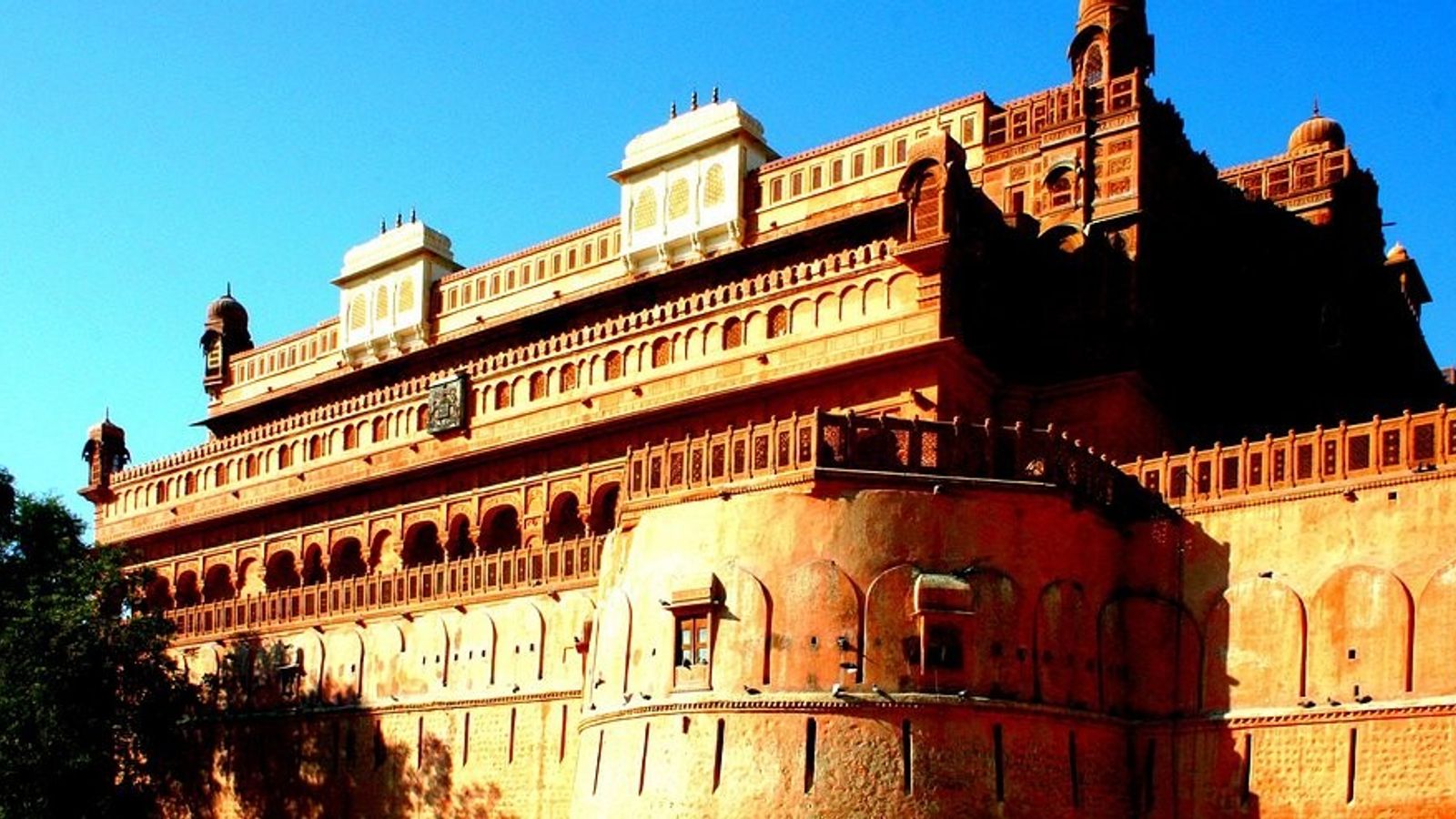
Junagarh
Private journeys, curated experiences and tailor-made routes through Junagarh.
Journeys
On request
Nearby Cities
0
Best Suited For
Private & tailor-made holidays
About Junagarh
Junagadh – The Historic Gateway to Girnar
Nestled at the foot of the sacred Girnar Hills in Gujarat's Saurashtra region, Junagadh is one of India's oldest continuously inhabited cities, with a history spanning more than 2,300 years. A fascinating blend of history, spirituality, and natural beauty, Junagadh is home to magnificent forts, ancient temples, royal palaces, Islamic monuments, Buddhist caves, and inscriptions dating back to the reign of Emperor Ashoka.
The city is an important pilgrimage destination for Hindus and Jains, while also serving as the gateway to Gir National Park, the last natural habitat of the Asiatic Lion. Whether you're a history enthusiast, nature lover, or spiritual traveler, Junagadh offers an unforgettable experience.
Why Visit Junagadh?
- Explore one of Gujarat's oldest historic cities
- Climb the sacred Girnar Hills
- Visit the ancient Uparkot Fort
- Admire the stunning Mahabat Maqbara
- Discover Ashokan Rock Edicts
- Explore Buddhist caves
- Gateway to Gir National Park
- Rich Hindu, Jain, Buddhist, and Islamic heritage
- Excellent photography opportunities
Top Tourist Attractions
Girnar Hills
One of India's most sacred pilgrimage sites, Girnar Hills is home to numerous Hindu and Jain temples. Pilgrims climb approximately 10,000 steps to reach the temples and enjoy breathtaking views of the surrounding landscape.
Highlights
- Dattatreya Temple
- Neminath Jain Temple
- Amba Mata Temple
- Sunrise views
- Ropeway (up to Ambaji Temple)
Uparkot Fort
Built over 2,000 years ago, Uparkot Fort has witnessed numerous dynasties and invasions. Inside the fort are ancient stepwells, Buddhist caves, old cannons, and magnificent fortifications.
Highlights include:
- Navghan Kuvo Stepwell
- Adi Kadi Vav
- Buddhist Caves
- Ancient cannons
- Fort walls
Mahabat Maqbara
One of Gujarat's most photographed monuments, Mahabat Maqbara is an architectural masterpiece featuring Indo-Islamic, Gothic, and European influences with intricate carvings, spiral staircases, and silver doors.
Ashokan Rock Edicts
Dating back to the 3rd century BCE, these inscriptions by Emperor Ashoka provide valuable insights into India's ancient history and the spread of Buddhism.
Buddhist Caves
Located within Uparkot Fort, these rock-cut caves date back to the 2nd century BCE and feature beautifully carved pillars and meditation chambers.
Darbar Hall Museum
Housed in a former royal palace, the museum displays royal artifacts, costumes, weapons, paintings, furniture, and historical memorabilia from the Nawabs of Junagadh.
Sakkarbaug Zoological Park
Established in 1863, this historic zoo is one of India's oldest and is renowned for its successful conservation of the Asiatic Lion.
Damodar Kund
A sacred lake located at the base of Girnar Hills, Damodar Kund is an important pilgrimage site where devotees perform religious rituals.
Things to Do in Junagadh
- Climb Girnar Hills
- Visit ancient Jain temples
- Explore Uparkot Fort
- Admire Mahabat Maqbara
- Visit Ashokan Rock Edicts
- Explore Buddhist caves
- Enjoy heritage photography
- Visit local markets
- Taste authentic Gujarati cuisine
- Take a day trip to Gir National Park
Local Cuisine
Don't miss these regional specialties:
- Gujarati Thali
- Dhokla
- Khandvi
- Fafda-Jalebi
- Sev Tameta
- Undhiyu
- Khaman
- Thepla
- Basundi
- Mohanthal
Shopping
Popular shopping items include:
- Bandhani textiles
- Handicrafts
- Silver jewellery
- Brassware
- Wooden handicrafts
- Traditional Gujarati clothing
- Local snacks
- Religious souvenirs
Best Time to Visit
October to March
The best time for sightseeing, climbing Girnar Hills, and wildlife excursions with pleasant weather.
November
Ideal for the famous Girnar Lili Parikrama, an annual pilgrimage around the sacred hills.
April to June
Hot weather, but suitable for early morning sightseeing.
July to September
The monsoon transforms the hills into lush green landscapes, making the scenery especially beautiful.
How to Reach
By Air
The nearest airport is Rajkot, while Keshod Airport also offers limited connectivity. Better flight options are available via Rajkot or Ahmedabad.
By Train
Junagadh Junction is well connected to Ahmedabad, Rajkot, Veraval, and other major cities.
By Road
Excellent roads connect Junagadh with Rajkot, Somnath, Gir National Park, Dwarka, and Ahmedabad.
Suggested Stay
- 1 Night: Junagadh sightseeing
- 2 Nights: Junagadh with Gir National Park
- 3 Nights: Junagadh, Gir, and Somnath
- 5 Nights: Saurashtra Heritage Circuit
Nearby Attractions
- Gir National Park (60 km)
- Somnath Temple (90 km)
- Veraval
- Diu
- Porbandar
- Dwarka
- Sasan Gir
- Chorwad Beach
Travel Tips
- Begin the Girnar climb early in the morning.
- Wear comfortable trekking shoes.
- Carry drinking water and snacks while climbing.
- Dress modestly while visiting temples.
- Book Gir safaris in advance during peak season.
- Carry sunscreen and a hat during summer.
- Respect local customs and heritage monuments.
Why Choose Discovery Full Circle Tours?
Discovery Full Circle Tours offers expertly curated Gujarat holidays featuring Junagadh, Gir National Park, Somnath, Dwarka, the Statue of Unity, Ahmedabad, and the Rann of Kutch. Our customized itineraries include comfortable accommodations, experienced local guides, private transportation, and seamless travel arrangements, ensuring a memorable exploration of Gujarat's rich heritage and natural wonders.
Frequently Asked Questions (FAQs)
1. What is Junagadh famous for?
Junagadh is famous for Girnar Hills, Uparkot Fort, Mahabat Maqbara, Ashokan Rock Edicts, ancient Jain temples, and its proximity to Gir National Park.
2. How many days are enough for Junagadh?
A 2-day stay is ideal for exploring the city's main attractions. Add another day if you plan to visit Gir National Park or Somnath.
3. What is the best time to visit Junagadh?
The best time to visit is from October to March, when the weather is pleasant for sightseeing and climbing Girnar Hills.
4. Is Junagadh suitable for family vacations?
Yes. Junagadh offers a combination of historical monuments, religious sites, wildlife, and cultural experiences suitable for travelers of all ages.
5. Can Junagadh be combined with other destinations in Gujarat?
Yes. It is commonly combined with Gir National Park, Somnath, Diu, Porbandar, and Dwarka as part of a Saurashtra tour.
6. Is there a ropeway at Girnar?
Yes. The Girnar Ropeway takes visitors to the Ambaji Temple, reducing the need to climb thousands of steps and making the pilgrimage more accessible.
7. What are the must-visit attractions in Junagadh?
The top attractions include Girnar Hills, Uparkot Fort, Mahabat Maqbara, Ashokan Rock Edicts, Buddhist Caves, Damodar Kund, and Sakkarbaug Zoological Park.
8. Is Junagadh a good destination for history lovers?
Absolutely. With its ancient forts, Ashokan inscriptions, Buddhist caves, royal palaces, and centuries-old temples, Junagadh is one of Gujarat's most rewarding destinations for history and heritage enthusiasts.