
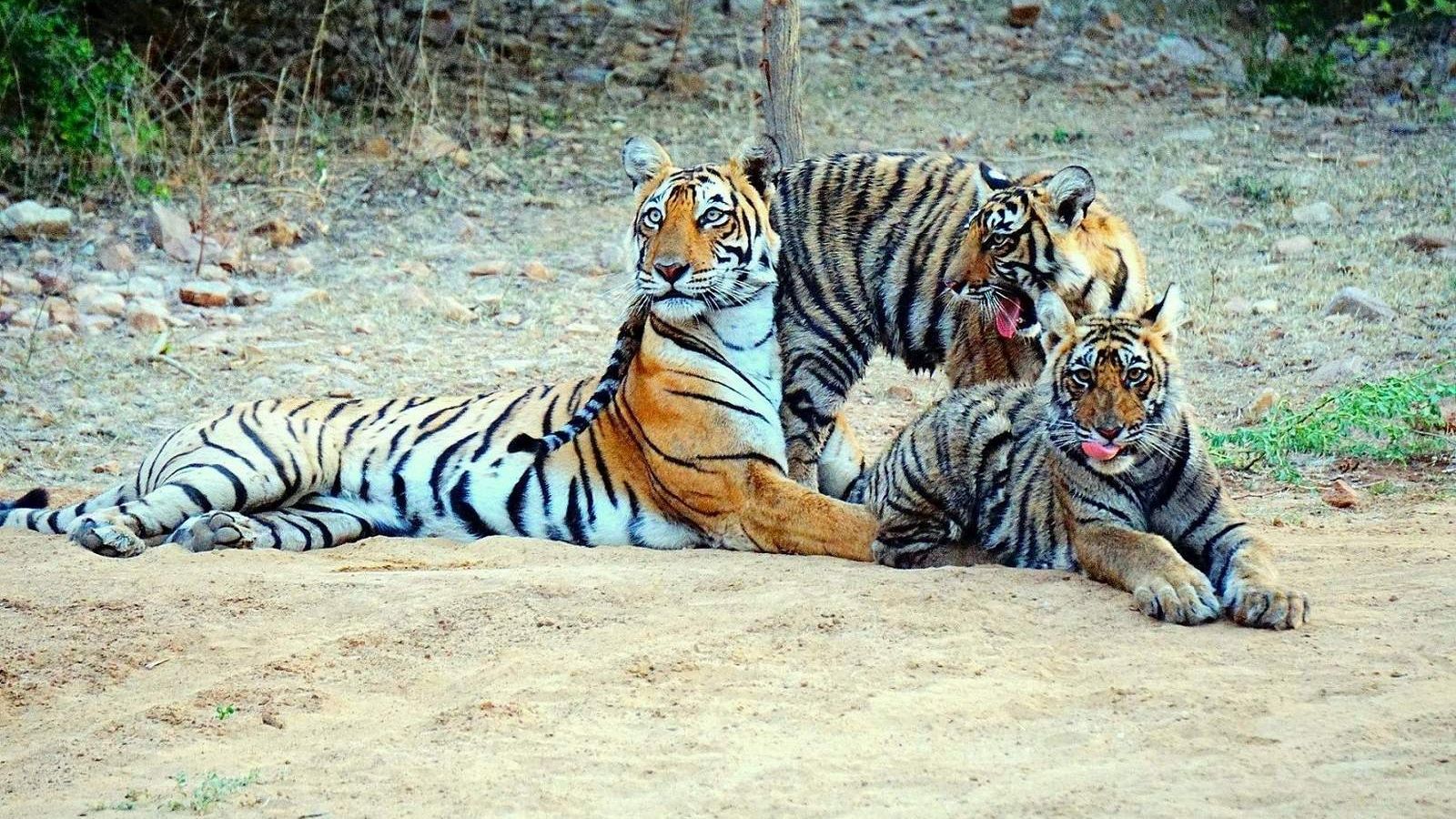
Ranthambore National Park
Private journeys, curated experiences and tailor-made routes through Ranthambore National Park .
Journeys
On request
Nearby Cities
0
Best Suited For
Private & tailor-made holidays
About Ranthambore National Park
Ranthambore National Park Travel Guide – Experience India's Legendary Tiger Reserve
Located in the Sawai Madhopur district of Rajasthan, Ranthambore National Park is one of India's most celebrated wildlife destinations and among the best places in the world to observe the majestic Royal Bengal Tiger in its natural habitat. Covering approximately 1,334 square kilometres, including its buffer zone, the park combines dramatic landscapes, ancient ruins, tranquil lakes, and dense forests to create one of India's most rewarding safari experiences.
Once the private hunting grounds of the Maharajas of Jaipur, Ranthambore became a national park in 1980 and is now one of the country's leading Project Tiger reserves. The park's unique blend of dry deciduous forests, rocky hills, open grasslands, and historic monuments provides an unforgettable setting for wildlife enthusiasts and photographers.
Apart from tigers, visitors may encounter leopards, sloth bears, striped hyenas, marsh crocodiles, sambar deer, nilgai, wild boar, langurs, and more than 300 species of birds. Dominating the landscape is the magnificent Ranthambore Fort, a UNESCO World Heritage Site that offers spectacular views over the park.
Whether you're a first-time visitor or an experienced wildlife enthusiast, Ranthambore promises an unforgettable safari adventure in the heart of Rajasthan.
Why Visit Ranthambore National Park?
- One of India's best destinations for tiger sightings.
- Enjoy thrilling jeep and canter safaris.
- Visit the UNESCO-listed Ranthambore Fort.
- Discover rich wildlife and birdlife.
- Excellent destination for wildlife photography.
- Combine with the Golden Triangle and Rajasthan tours.
- Suitable for families, couples, photographers, and nature lovers.
- Stay in luxury jungle lodges and wildlife resorts.
Top Attractions in Ranthambore
Jeep Safari
The highlight of any visit is an early morning or afternoon jeep safari through the park's safari zones, offering opportunities to spot tigers and other wildlife.
Ranthambore Fort (UNESCO World Heritage Site)
Built in the 10th century, the impressive hilltop fort offers panoramic views of the national park and houses ancient temples, gateways, reservoirs, and historic ruins.
Padam Talao
The park's largest lake, famous for its picturesque setting and frequent tiger sightings along its shores.
Rajbagh Ruins
Ancient palace ruins surrounded by lakes and forests create one of the most photographed landscapes in Ranthambore.
Malik Talao
An excellent location for birdwatching and spotting marsh crocodiles, deer, and other wildlife.
Jogi Mahal
Located near Padam Talao, this historic forest rest house is known for its scenic setting and the giant banyan tree nearby.
Wildlife You May See
- Royal Bengal Tiger
- Leopard
- Sloth Bear
- Striped Hyena
- Jackal
- Nilgai (Blue Bull)
- Sambar Deer
- Chital (Spotted Deer)
- Wild Boar
- Marsh Crocodile
- Langur
- Peafowl
- Eagles
- Owls
- Kingfishers
- More than 300 bird species
Things to Do in Ranthambore
- Morning jeep safari.
- Afternoon jeep safari.
- Wildlife photography.
- Visit Ranthambore Fort.
- Birdwatching.
- Nature walks (outside the core zone where permitted).
- Visit local villages.
- Relax at a luxury wildlife lodge.
- Enjoy cultural performances at selected resorts.
Best Safari Zones
Ranthambore is divided into several safari zones, each offering unique landscapes and wildlife experiences. While tiger movements are unpredictable, Zones 2, 3, 4, and 5 have traditionally been among the most popular for wildlife sightings. Your safari zone is allocated by the Forest Department based on availability.
Best Time to Visit
October to April
Pleasant weather makes this the most popular season for safaris and sightseeing.
May to June
The summer months often provide some of the best opportunities to see tigers near water sources, although daytime temperatures can be high.
The park is generally closed from July to September in many core zones due to the monsoon, although some buffer zones may remain open depending on Forest Department regulations.
How to Reach
By Air
The nearest airports are:
- Jaipur International Airport – approximately 180 km
- Delhi International Airport – approximately 380 km
By Rail
Sawai Madhopur Railway Station is only about 10 km from the park and is well connected with Delhi, Jaipur, Agra, Mumbai, and other major cities.
By Road
Ranthambore is easily accessible by road from:
- Jaipur – 3.5 hours
- Agra – 5 hours
- Delhi – 6–7 hours
Getting Around
- Shared or private jeep safaris
- Canter safaris
- Private chauffeur-driven vehicles
- Local taxis
Where to Stay
Luxury
- Luxury wildlife lodges
- Boutique safari camps
- Heritage resorts
Mid-Range
- Comfortable jungle resorts
- Wildlife hotels
Budget
- Guesthouses
- Budget hotels
- Eco-lodges
Local Cuisine
Most resorts offer a mix of Rajasthani and North Indian cuisine.
Don't miss:
- Dal Baati Churma
- Laal Maas
- Gatte Ki Sabzi
- Bajra Roti
- Ker Sangri
- Traditional Rajasthani desserts
Suggested Duration
2–3 Days
A stay of two to three days allows visitors to enjoy multiple safaris, increasing the chances of wildlife sightings while exploring Ranthambore Fort and surrounding attractions.
Suggested Itinerary
Day 1
- Arrive Ranthambore
- Afternoon Jeep Safari
Day 2
- Morning Safari
- Visit Ranthambore Fort
- Evening at leisure
Day 3
- Morning Safari
- Departure
Nearby Places to Visit
- Jaipur – 180 km
- Bharatpur Bird Sanctuary – 250 km
- Agra – 280 km
- Bundi – 150 km
- Kota – 140 km
Is Ranthambore Safe for Solo Travellers?
Yes. Ranthambore is one of India's safest wildlife destinations for solo travellers. Safari activities are conducted under the supervision of trained guides and Forest Department regulations. Solo visitors can join shared jeep safaris or choose private safaris for a more personalised experience.
Why Book with Discovery Full Circle Tours?
At Discovery Full Circle Tours, we have been creating exceptional wildlife and cultural holidays across India since 2004. Our Ranthambore safaris are carefully planned to maximise your wildlife experience while ensuring comfort, safety, and expert local guidance.
Why Choose Us?
✔ Over 20 years of trusted travel expertise
✔ Tailor-made private wildlife tours
✔ Guaranteed safari permit arrangements (subject to Forest Department availability)
✔ Carefully selected jungle lodges and resorts
✔ Experienced naturalists and local guides
✔ Comfortable chauffeur-driven transportation
✔ Transparent pricing with no hidden costs
✔ 24/7 travel assistance
✔ Safe travel arrangements for solo travellers
✔ Flexible itineraries combining Ranthambore with the Golden Triangle and Rajasthan
Frequently Asked Questions
What is Ranthambore National Park famous for?
Ranthambore is famous for its healthy population of Royal Bengal Tigers, thrilling jeep safaris, UNESCO-listed Ranthambore Fort, rich biodiversity, and excellent wildlife photography opportunities.
How many safaris should I book in Ranthambore?
We recommend at least 2–3 jeep safaris to maximise your chances of spotting tigers and other wildlife, as animal sightings vary from one safari to another.
What is the best time to visit Ranthambore?
The best time to visit is October to June. While the weather is most pleasant from October to March, the hotter months of April to June often provide excellent tiger sightings near waterholes.
Can I guarantee seeing a tiger?
No. Tigers are wild animals that roam freely within the national park, so sightings can never be guaranteed. However, Ranthambore is widely regarded as one of India's best parks for observing tigers in their natural habitat.
Is Ranthambore suitable for families?
Yes. Ranthambore is an excellent destination for families, wildlife enthusiasts, photographers, and nature lovers of all ages.
Is Ranthambore safe for solo travellers?
Yes. Ranthambore is considered very safe for solo travellers. All safaris are conducted with authorised guides and drivers following strict wildlife safety regulations.
Do I need a visa to visit Ranthambore National Park, India?
Most international travellers require a valid Indian Visa or e-Visa before visiting Ranthambore National Park. Please visit our India Visa Guide for the latest visa information, eligibility, and application process.
How do I book a Ranthambore safari?
Safari permits should be booked well in advance, especially during the peak travel season. Discovery Full Circle Tours can arrange jeep or canter safari permits, accommodation, transportation, and customised Rajasthan wildlife itineraries for a seamless travel experience.
Can Ranthambore be combined with other destinations?
Yes. Ranthambore is commonly combined with the Golden Triangle (Delhi–Agra–Jaipur), Pushkar, Udaipur, Jodhpur, Bundi, and Bharatpur, making it one of the highlights of a Rajasthan or North India tour.
Planning a trip?
Get a customized itinerary designed by our Ranthambore National Park experts.