
Jaipur
Private journeys, curated experiences and tailor-made routes through Jaipur.
Journeys
On request
Nearby Cities
0
Best Suited For
Private & tailor-made holidays
About Jaipur
Jaipur Tour Guide – Discover the Royal Pink City of Rajasthan
Founded in 1727 by Maharaja Sawai Jai Singh II, Jaipur is the capital of Rajasthan and one of India's most iconic destinations. Known worldwide as the "Pink City", Jaipur is famous for its magnificent forts, grand palaces, colourful bazaars, vibrant culture, and remarkable architectural heritage.
As part of India's famous Golden Triangle (Delhi – Agra – Jaipur), the city welcomes millions of visitors each year. In 2019, Jaipur was recognised as a UNESCO World Heritage City, celebrating its outstanding urban planning, historic monuments, and cultural significance.
From the imposing Amber Fort and elegant City Palace to the iconic Hawa Mahal, lively markets, and luxurious heritage hotels, Jaipur offers an unforgettable blend of history, culture, shopping, and authentic Rajasthani hospitality.
Whether you are a first-time visitor to India or returning to explore Rajasthan in greater depth, Jaipur promises an enriching and memorable travel experience.
Why Visit Jaipur?
- Explore UNESCO World Heritage Sites.
- Visit majestic forts and royal palaces.
- Discover colourful bazaars and local handicrafts.
- Experience authentic Rajasthani culture and cuisine.
- Admire magnificent Rajput architecture.
- Enjoy heritage hotels and luxury experiences.
- Witness vibrant festivals and traditional performances.
- Perfect for families, honeymooners, photographers, history enthusiasts, and solo travellers.
Top Places to Visit in Jaipur
Amber Fort (UNESCO World Heritage Site)
Perched on a hill overlooking Maota Lake, Amber Fort is Jaipur's most famous attraction. Built in the 16th century, the fort showcases a stunning blend of Rajput and Mughal architecture.
Highlights include:
- Sheesh Mahal (Mirror Palace)
- Diwan-i-Aam
- Ganesh Pol
- Sukh Niwas
- Beautiful courtyards
- Panoramic hilltop views
City Palace
Located in the heart of Jaipur, the magnificent City Palace continues to serve as the residence of Jaipur's royal family. The palace complex includes museums, royal courtyards, art galleries, and beautifully decorated halls.
Highlights include:
- Mubarak Mahal
- Chandra Mahal
- Pritam Niwas Chowk
- Royal Museum
- Historic courtyards
Hawa Mahal (Palace of Winds)
One of India's most photographed landmarks, the Hawa Mahal features an extraordinary five-storey façade with 953 intricately designed windows, allowing royal women to observe street festivities while remaining unseen.
Jantar Mantar (UNESCO World Heritage Site)
Built by Maharaja Sawai Jai Singh II, this remarkable astronomical observatory houses the world's largest stone sundial and a collection of fascinating astronomical instruments.
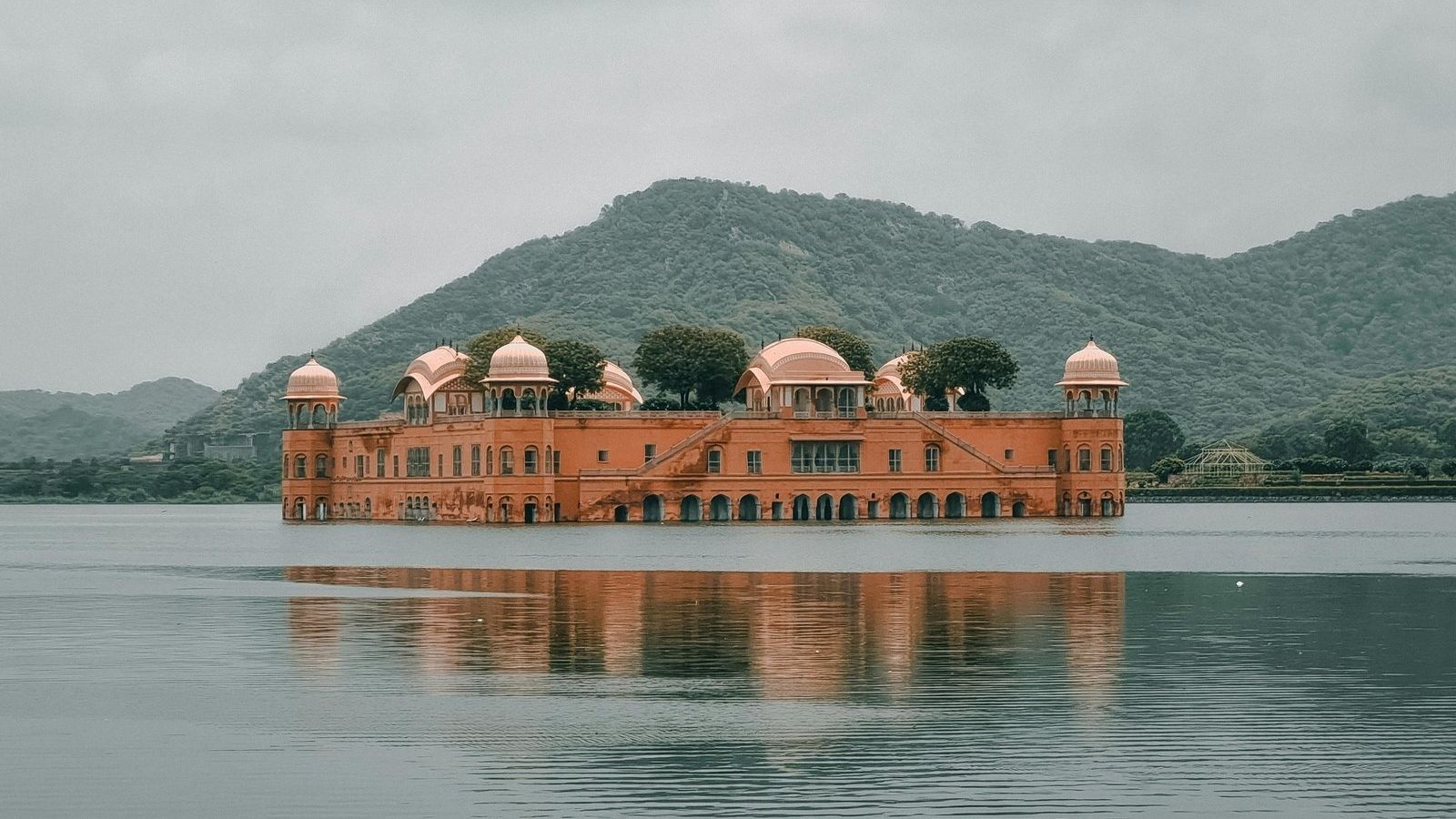
Jal Mahal
Situated in the middle of Man Sagar Lake, Jal Mahal is one of Jaipur's most picturesque landmarks and a favourite spot for photography, especially during sunrise and sunset.
Nahargarh Fort
Overlooking Jaipur from the Aravalli Hills, Nahargarh Fort offers spectacular panoramic views of the Pink City and is an ideal location to enjoy the sunset.
Jaigarh Fort
Known as the "Fort of Victory," Jaigarh Fort houses the famous Jaivana Cannon, once considered the world's largest cannon on wheels.
Albert Hall Museum
Rajasthan's oldest museum showcases an impressive collection of paintings, sculptures, textiles, carpets, metalwork, and historical artefacts.
Birla Temple
A beautiful white marble temple dedicated to Lord Vishnu and Goddess Lakshmi, renowned for its peaceful atmosphere and elegant architecture.
Things to Do in Jaipur
- Explore Amber Fort.
- Visit City Palace.
- Admire Hawa Mahal.
- Discover Jantar Mantar.
- Shop in Johari Bazaar and Bapu Bazaar.
- Enjoy rooftop dining with city views.
- Watch a cultural performance.
- Experience a traditional Rajasthani dinner.
- Visit Nahargarh Fort at sunset.
- Explore Jaipur's vibrant handicraft markets.
Cultural Experiences
Jaipur is renowned for:
- Traditional Rajasthani folk music and dance
- Block printing
- Blue pottery
- Gemstone cutting
- Puppet shows
- Turban tying demonstrations
- Heritage walks
- Authentic Rajasthani cuisine
Major Festivals
- Jaipur Literature Festival
- Teej Festival
- Gangaur Festival
- Diwali
- Holi
- Kite Festival (Makar Sankranti)
Best Time to Visit
October to March
The best time to visit Jaipur, with pleasant weather ideal for sightseeing, shopping, and outdoor activities.
March
A wonderful time to experience Holi, one of India's most colourful festivals. Visitors can join organised celebrations such as the famous Holi festivities at Narain Niwas Palace, known for their vibrant colours, music, dance, and traditional Rajasthani hospitality.
July to September
The monsoon brings cooler temperatures and greener surroundings, making sightseeing enjoyable.
April to June
Summer is hot, but many luxury hotels offer attractive seasonal rates.
How to Reach
By Air
Jaipur International Airport (JAI) is located approximately 13 km from the city centre and offers regular domestic and international flights.
By Rail
Jaipur Junction is one of Rajasthan's busiest railway stations, with excellent connections to Delhi, Agra, Mumbai, Jodhpur, Udaipur, Ahmedabad, Kolkata, and many other cities.
By Road
Jaipur is well connected by road with:
- Delhi – 280 km
- Agra – 240 km
- Pushkar – 145 km
- Ranthambore – 180 km
- Jodhpur – 350 km
- Udaipur – 395 km
Getting Around
- Private chauffeur-driven vehicles
- Local taxis
- Auto-rickshaws
- Metro (selected routes)
- Walking (Old City)
Where to Stay
Luxury
- Heritage palaces
- Luxury hotels
- Boutique heritage properties
Mid-Range
- Boutique hotels
- Heritage havelis
- Comfortable city hotels
Budget
- Guesthouses
- Homestays
- Budget hotels
Local Cuisine
Don't miss:
- Dal Baati Churma
- Laal Maas
- Gatte Ki Sabzi
- Pyaaz Kachori
- Mirchi Bada
- Ghewar
- Mawa Kachori
- Traditional Rajasthani Thali
Shopping
Jaipur is one of India's best shopping destinations.
Popular purchases include:
- Gemstones
- Silver jewellery
- Blue pottery
- Block-printed textiles
- Bandhani fabrics
- Marble handicrafts
- Leather mojari footwear
- Handmade carpets
- Traditional Rajasthani handicrafts
Suggested Duration
2–3 Days
A stay of two to three days is ideal for exploring Jaipur's forts, palaces, museums, temples, gardens, and colourful markets while experiencing its rich cultural heritage.
Suggested Itinerary
Day 1
- Arrive Jaipur
- Amber Fort
- Jal Mahal
- Hawa Mahal
- Local Bazaar
Day 2
- City Palace
- Jantar Mantar
- Albert Hall Museum
- Birla Temple
- Evening cultural dinner
Day 3
- Nahargarh Fort
- Jaigarh Fort
- Shopping
- Departure
Nearby Destinations
- Samode – 45 km
- Pushkar – 145 km
- Ranthambore National Park – 180 km
- Agra – 240 km
- Delhi – 280 km
- Ajmer – 135 km
Is Jaipur Safe for Solo Travellers?
Yes. Jaipur is one of India's most popular and tourist-friendly cities. It offers excellent infrastructure, reliable transport, and a wide range of accommodation, making it a great destination for solo travellers. Visitors should take normal precautions, particularly in crowded markets and at night.
Why Book with Discovery Full Circle Tours?
At Discovery Full Circle Tours, we have been creating unforgettable journeys across Rajasthan and India since 2004. Our Jaipur tours combine royal heritage, authentic cultural experiences, comfortable travel, and personalised service, ensuring every guest enjoys the very best of the Pink City.
Why Choose Us?
✔ Over 20 years of trusted travel expertise
✔ Tailor-made private Rajasthan tours
✔ Carefully selected heritage hotels
✔ Experienced local guides
✔ Comfortable chauffeur-driven transportation
✔ Transparent pricing with no hidden costs
✔ 24/7 travel assistance
✔ Safe travel arrangements for solo travellers
✔ Authentic local experiences
✔ Dedicated customer support from arrival to departure
Frequently Asked Questions
What is Jaipur famous for?
Jaipur is famous for its magnificent Amber Fort, City Palace, Hawa Mahal, Jantar Mantar, colourful bazaars, gemstone jewellery, blue pottery, and rich Rajput heritage. It is also known worldwide as the Pink City.
How many days are enough for Jaipur?
A 2–3 day stay is ideal to visit Jaipur's major attractions, enjoy local shopping, experience traditional Rajasthani culture, and explore the surrounding forts.
What is the best time to visit Jaipur?
The best time to visit is October to March, when the weather is pleasant for sightseeing. March is especially popular for visitors wishing to experience the colourful Holi Festival.
Is Jaipur suitable for families?
Yes. Jaipur is perfect for families, couples, photographers, history enthusiasts, and first-time visitors to India. The city offers a wonderful combination of history, culture, shopping, and local experiences.
Is Jaipur safe for solo travellers?
Yes. Jaipur is generally considered very safe for solo travellers. The city's well-developed tourism infrastructure and friendly atmosphere make it easy to explore independently.
Do I need a visa to visit Jaipur, India?
Most international travellers require a valid Indian Visa or e-Visa before travelling to Jaipur. Please visit our India Visa Guide for the latest visa information, eligibility, application process, and entry requirements.
Can I combine Jaipur with other destinations?
Yes. Jaipur is commonly combined with Delhi, Agra, Pushkar, Jodhpur, Udaipur, Ranthambore National Park, and Bikaner as part of the famous Golden Triangle and extended Rajasthan itineraries.
What makes Jaipur a UNESCO World Heritage City?
Jaipur was designated a UNESCO World Heritage City in 2019 for its exceptional urban planning, well-preserved historic architecture, magnificent forts and palaces, vibrant markets, and its outstanding representation of Rajput culture and heritage.