Bhutan Tourism: The Last Shangri-La of the Himalayas
Bhutan is a destination unlike any other. Hidden among the towering peaks of the Himalayas, this small kingdom has successfully preserved its centuries-old traditions, pristine environment, and deeply spiritual way of life while embracing modern development on its own terms.
Renowned for its philosophy of Gross National Happiness, Bhutan measures success not only through economic growth but also through the well-being of its people, cultural preservation, environmental conservation, and sustainable development. This unique approach has made Bhutan one of the most fascinating travel destinations in the world.
For travelers seeking breathtaking landscapes, authentic cultural experiences, peaceful monasteries, and meaningful journeys, Bhutan offers an unforgettable adventure.
Why Visit Bhutan?
Bhutan is known for its spectacular scenery, rich Buddhist heritage, colorful festivals, and commitment to protecting its environment.
Visitors can enjoy:
- Himalayan mountain landscapes
- Ancient monasteries and temples
- Traditional Bhutanese culture
- Scenic valleys and villages
- Colorful Buddhist festivals
- Hiking and trekking adventures
- Wildlife and nature conservation areas
- Sustainable tourism experiences
Unlike many destinations, Bhutan offers a tranquil and authentic travel experience free from mass tourism.
Top Places to Visit in Bhutan
Paro
Paro is home to Bhutan's only international airport and some of the country's most famous attractions. Surrounded by dramatic mountains and fertile valleys, Paro combines natural beauty with cultural significance.
Highlights:
- Tiger's Nest Monastery (Taktsang Monastery)
- Paro Dzong
- National Museum
- Traditional Bhutanese villages
Tiger's Nest Monastery (Taktsang)
Perched dramatically on a cliffside nearly 900 meters above the Paro Valley, Tiger's Nest Monastery is Bhutan's most iconic landmark. According to legend, Guru Padmasambhava arrived here on the back of a flying tigress and meditated in a cave.
The hike to Tiger's Nest is one of Bhutan's most rewarding travel experiences and offers stunning views of the surrounding mountains.
Thimphu
Bhutan's capital city combines modern development with strong traditional values. Despite being the nation's largest city, Thimphu retains a relaxed atmosphere and unique cultural character.
Highlights:
- Buddha Dordenma Statue
- Memorial Chorten
- Tashichho Dzong
- Folk Heritage Museum
- Traditional handicraft markets
Punakha
Once Bhutan's capital, Punakha is famous for its stunning valley scenery and magnificent dzong located at the confluence of two rivers.
Highlights:
- Punakha Dzong
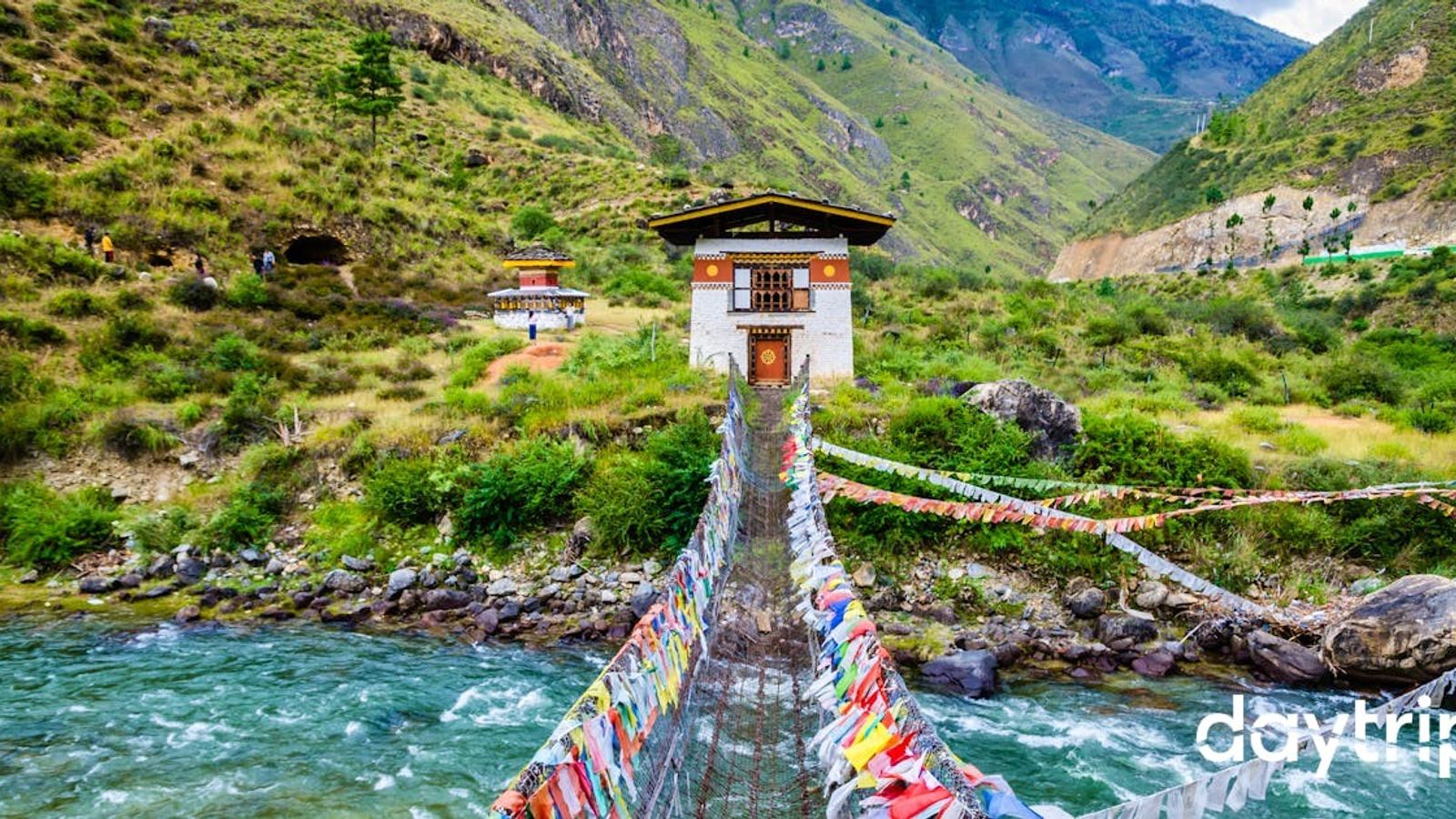
- Suspension Bridge
- Chimi Lhakhang Temple
- Scenic countryside
Phobjikha Valley
One of Bhutan's most beautiful valleys, Phobjikha is known for its natural beauty and as the winter home of the endangered black-necked cranes.
Highlights:
- Black-necked crane conservation area
- Nature walks
- Traditional villages
- Spectacular mountain scenery
Bumthang Valley
Often described as Bhutan's spiritual heartland, Bumthang is home to numerous ancient temples and sacred sites.
Highlights:
- Jambay Lhakhang Temple
- Kurjey Lhakhang
- Traditional rural culture
- Scenic landscapes
Bhutan's Unique Culture
Bhutan has carefully preserved its cultural traditions and Buddhist heritage.
Visitors will encounter:
- Traditional architecture
- Buddhist monasteries
- Prayer flags and stupas
- Monastic communities
- Traditional dress (Gho and Kira)
- Handicrafts and local arts
The country's strong cultural identity is evident throughout daily life and contributes significantly to its appeal.
Festivals in Bhutan
Bhutan's colorful religious festivals, known as Tshechus, are among the country's most important cultural events.
Popular festivals include:
- Paro Tshechu
- Thimphu Tshechu
- Punakha Drubchen
- Jambay Lhakhang Festival
These celebrations feature:
- Masked dances
- Traditional music
- Religious ceremonies
- Community gatherings
Adventure and Trekking in Bhutan
Bhutan is a paradise for outdoor enthusiasts.
Popular activities include:
- Tiger's Nest hiking
- Druk Path Trek
- Jomolhari Trek
- Snowman Trek
- Mountain biking
- Birdwatching
- Nature walks
Trekkers are rewarded with pristine mountain scenery, remote villages, and untouched wilderness.
Wildlife and Nature
Bhutan is one of the world's most environmentally conscious nations. More than 70% of the country remains forested, and conservation is a national priority.
Wildlife includes:
- Snow leopards
- Red pandas
- Himalayan black bears
- Takin (Bhutan's national animal)
- Black-necked cranes
- Rare bird species
Protected national parks and wildlife sanctuaries preserve these valuable ecosystems.
Best Time to Visit Bhutan
March to May
- Pleasant weather
- Rhododendron blooms
- Excellent trekking conditions
September to November
- Clear mountain views
- Major festivals
- Ideal sightseeing weather
December to February
- Fewer tourists
- Snow-capped mountain scenery
- Excellent photography opportunities
June to August
- Green landscapes
- Occasional rainfall
- Fewer visitors
Bhutanese Cuisine
Bhutanese cuisine is flavorful and often features chili peppers and local ingredients.
Popular dishes include:
- Ema Datshi (chili and cheese)
- Phaksha Paa
- Jasha Maroo
- Red rice
- Traditional butter tea
Food plays an important role in Bhutanese hospitality and culture.
Sustainable Tourism in Bhutan
Bhutan follows a unique "High Value, Low Volume" tourism policy designed to preserve its culture and environment while providing meaningful experiences for visitors.
This approach helps:
- Protect natural resources
- Preserve cultural heritage
- Support local communities
- Promote sustainable travel
As a result, Bhutan remains one of the most pristine and authentic destinations in Asia.
Why Choose Bhutan for Your Next Holiday?
Bhutan offers a rare opportunity to experience a destination where tradition, spirituality, nature, and sustainability coexist harmoniously.
Whether you're hiking to Tiger's Nest Monastery, exploring ancient dzongs, attending colorful festivals, or admiring the Himalayan landscapes, Bhutan promises life-changing experiences and unforgettable memories.
Frequently Asked Questions
Do foreign tourists need a visa for Bhutan?
Yes, most foreign nationals require a visa and must book their trip through an authorized Bhutanese tour operator or international partner.
What is Bhutan famous for?
Bhutan is famous for Tiger's Nest Monastery, Gross National Happiness, Buddhist culture, Himalayan landscapes, colorful festivals, and sustainable tourism.
What is the best time to visit Bhutan?
March to May and September to November are generally considered the best times due to pleasant weather and clear mountain views.
How many days are needed for a Bhutan tour?
A 5 to 8-day itinerary is ideal for visiting Paro, Thimphu, and Punakha, while longer trips allow exploration of central Bhutan and trekking routes.
Is Bhutan safe for tourists?
Yes, Bhutan is considered one of the safest travel destinations in the world and is known for its welcoming people and peaceful atmosphere.
Can Bhutan be combined with an India or Nepal tour?
Yes. Many travelers combine Bhutan with destinations such as Delhi, Agra, Jaipur, Darjeeling, Sikkim, Kathmandu, and Pokhara.
What is the currency of Bhutan?
The Bhutanese Ngultrum (BTN) is the official currency. Indian Rupees are also widely accepted.
What is the most famous attraction in Bhutan?
Tiger's Nest Monastery (Taktsang Monastery) is Bhutan's most iconic attraction and one of the most photographed monasteries in the world.