%22%20%2F%3E%0A%20%20%20%20%20%20%20%20%3Ccircle%20cx%3D%22980%22%20cy%3D%22140%22%20r%3D%22160%22%20fill%3D%22rgba(255%2C255%2C255%2C0.08)%22%20%2F%3E%0A%20%20%20%20%20%20%20%20%3Ccircle%20cx%3D%22170%22%20cy%3D%22650%22%20r%3D%22220%22%20fill%3D%22rgba(255%2C255%2C255%2C0.06)%22%20%2F%3E%0A%20%20%20%20%20%20%20%20%3Ctext%20x%3D%2290%22%20y%3D%22330%22%20fill%3D%22%23fdba74%22%20font-size%3D%2228%22%20font-family%3D%22Arial%2C%20sans-serif%22%20font-weight%3D%22700%22%20letter-spacing%3D%223%22%3EDISCOVERY%20JOURNAL%3C%2Ftext%3E%0A%20%20%20%20%20%20%20%20%3Ctext%20x%3D%2290%22%20y%3D%22420%22%20fill%3D%22%23ffffff%22%20font-size%3D%2264%22%20font-family%3D%22Arial%2C%20sans-serif%22%20font-weight%3D%22800%22%3ETravel%20Story%3C%2Ftext%3E%0A%20%20%20%20%20%20%20%20%3Ctext%20x%3D%2290%22%20y%3D%22485%22%20fill%3D%22rgba(255%2C255%2C255%2C0.72)%22%20font-size%3D%2228%22%20font-family%3D%22Arial%2C%20sans-serif%22%3EImage%20coming%20soon%3C%2Ftext%3E%0A%20%20%20%20%20%20%3C%2Fsvg%3E%0A%20%20%20%20)
A Detailed Guide to Festivals and Holidays in India
India is often called the "Land of Festivals," and for good reason. With its remarkable blend of religions, languages, cultures, and regional traditions, the country celebrates hundreds of festivals every year. From grand national holidays and spiritual pilgrimages to colorful harvest festivals and local fairs, these occasions showcase India's diversity and bring communities together through music, dance, food, and devotion.
For travellers, experiencing a festival can transform an ordinary holiday into an unforgettable cultural adventure. Streets come alive with decorations, temples and monuments are illuminated, traditional performances fill public spaces, and families welcome guests with warmth and hospitality.
Why Festivals Are an Essential Part of Indian Culture
Festivals in India reflect centuries of history and tradition. They commemorate religious events, changing seasons, agricultural cycles, historical milestones, and community values. While many festivals have roots in Hinduism, Islam, Sikhism, Christianity, Buddhism, Jainism, and other faiths, they are often celebrated by people from diverse backgrounds, creating a unique atmosphere of inclusion and celebration.
Diwali – The Festival of Lights
Diwali is one of India's most celebrated festivals and symbolizes the triumph of light over darkness and good over evil. Homes are decorated with oil lamps, candles, flowers, and colorful rangoli designs, while families exchange sweets and gifts.
Visitors can witness beautifully illuminated cities, festive markets, cultural performances, and spectacular fireworks displays. It is one of the most rewarding times to experience India's vibrant traditions.
Holi – The Festival of Colours
Celebrated in spring, Holi is famous for joyful gatherings where people throw coloured powders and water at one another. Music, dancing, festive foods, and community celebrations create an atmosphere unlike anywhere else in the world.
Destinations such as Mathura, Vrindavan, Jaipur, and Delhi attract visitors eager to participate in this lively celebration.
Navratri and Dussehra
Navratri is observed over nine nights with devotional music, traditional dances, and worship of Goddess Durga. The festival culminates in Dussehra, celebrating the victory of good over evil through dramatic performances and symbolic burning of Ravana effigies.
In Gujarat, vibrant Garba dances continue late into the night, while Mysuru hosts magnificent royal processions.
Durga Puja
West Bengal's biggest cultural celebration honours Goddess Durga with elaborate artistic installations known as pandals. Kolkata becomes a living art gallery where visitors can admire creative displays, music performances, and traditional cuisine.
Ganesh Chaturthi
This festival celebrates the birth of Lord Ganesha and is particularly spectacular in Maharashtra. Beautiful idols are installed in homes and public spaces before being immersed in rivers or the sea in colourful processions accompanied by music and dance.
Onam
Kerala's harvest festival commemorates the legendary King Mahabali and features floral decorations, traditional feasts, cultural performances, and the famous snake boat races. It offers visitors an excellent opportunity to experience Kerala's rich heritage.
Pongal
Celebrated primarily in Tamil Nadu, Pongal marks the harvest season with gratitude for nature and agriculture. Families prepare special dishes, decorate homes, and participate in cultural events over several days.
Baisakhi
Observed mainly in Punjab, Baisakhi celebrates both the harvest and the Sikh New Year. Traditional music, energetic Bhangra dances, and community gatherings create a festive atmosphere across the region.
Eid al-Fitr and Eid al-Adha
India's Muslim communities celebrate Eid with prayers, charitable giving, festive meals, and family gatherings. Cities such as Hyderabad, Lucknow, and Delhi are known for vibrant celebrations and exceptional culinary experiences during these occasions.
Christmas
Christmas is widely celebrated across India, especially in Goa, Kerala, and many northeastern states. Churches are decorated with lights and flowers, midnight masses attract large congregations, and festive markets add to the holiday spirit.
Republic Day
Observed on 26 January, Republic Day commemorates the adoption of India's Constitution. The national parade in New Delhi showcases military displays, cultural performances, and tableaux representing different states and traditions.
Independence Day
Celebrated on 15 August, Independence Day marks India's freedom and features flag-hoisting ceremonies, patriotic events, and public celebrations throughout the country.
Regional Festivals Worth Planning Around
Beyond nationally recognised celebrations, many regional festivals provide memorable travel experiences:
- Hornbill Festival in Nagaland
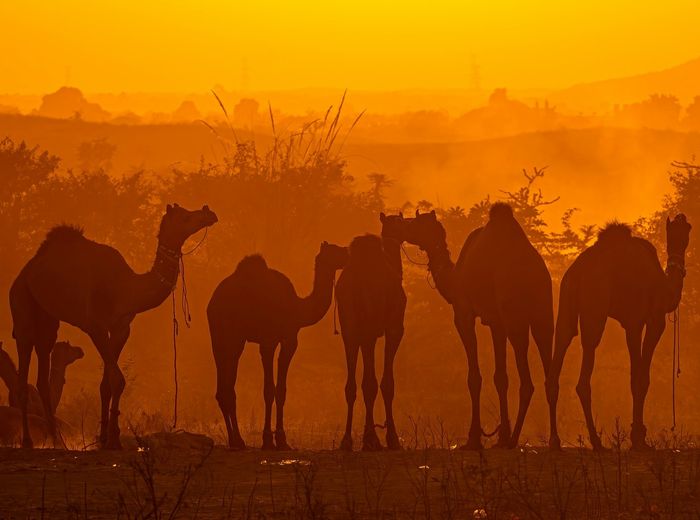
- Pushkar Camel Fair in Rajasthan
- International Kite Festival in Gujarat
- Thrissur Pooram in Kerala
- Hemis Festival in Ladakh
- Losar in Himalayan Buddhist communities
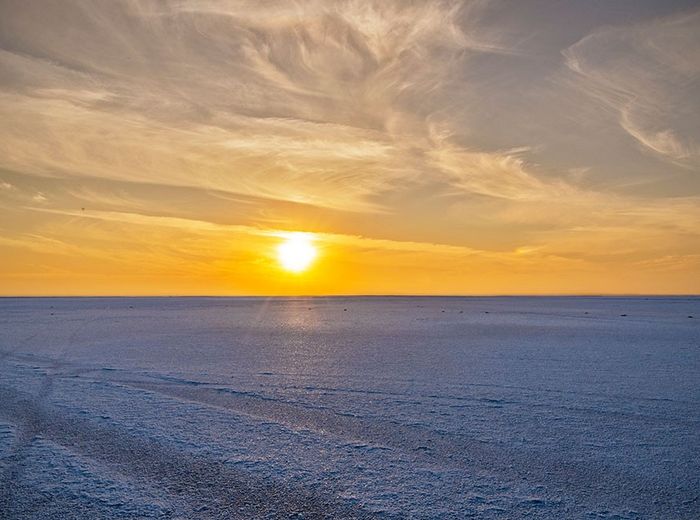
- Rann Utsav in Gujarat
- Bihu in Assam
Each offers unique opportunities to experience local traditions, cuisine, handicrafts, and performances.
Best Time to Visit India for Festivals
- January: Pongal, Makar Sankranti, Republic Day
- March: Holi
- April: Baisakhi
- August–September: Onam, Ganesh Chaturthi
- September–October: Navratri, Durga Puja, Dussehra
- October–November: Diwali
- December: Christmas and New Year celebrations
Because many festivals follow lunar calendars, dates may vary each year, so travellers should verify schedules before booking.
Tips for Travelling During Festivals
- Book accommodation and transportation well in advance.
- Expect larger crowds and increased demand in major destinations.
- Dress respectfully when visiting religious sites.
- Carry cash for local markets where digital payments may be limited.
- Follow local customs and ask permission before photographing ceremonies or participants.
- Participate respectfully and enjoy local traditions with an open mind.
Why Festival Travel Makes India Special
Experiencing India during a festival offers much more than sightseeing. It provides opportunities to connect with local communities, enjoy authentic cuisine, witness centuries-old traditions, and understand the country's remarkable cultural diversity firsthand.
Whether you watch thousands of lamps glow during Diwali, join the joyful celebrations of Holi, admire the artistry of Durga Puja, or witness Kerala's colourful Onam festivities, every celebration tells a story that reflects India's enduring spirit.
Frequently Asked Questions
Which is the most famous festival in India?
Diwali is widely regarded as India's most celebrated festival, followed closely by Holi and Navratri.
Are festivals suitable for international tourists?
Yes. Many festivals actively welcome visitors, offering unique opportunities to experience India's traditions and hospitality.
Which festival is best for photographers?
Holi, Durga Puja, Pushkar Camel Fair, and Onam provide vibrant colours, elaborate decorations, and memorable cultural scenes.
Can I plan an itinerary around festivals?
Absolutely. Many travellers choose their travel dates specifically to coincide with major celebrations, adding unforgettable cultural experiences to their journey.
Festivals and holidays are at the heart of India's identity. They celebrate faith, history, harvests, seasons, and community while showcasing the country's extraordinary diversity. Planning your trip around these celebrations allows you to experience India at its most vibrant and welcoming, creating memories that last long after your journey ends.