
Ayodhya
Private journeys, curated experiences and tailor-made routes through Ayodhya.
Journeys
On request
Nearby Cities
0
Best Suited For
Private & tailor-made holidays
About Ayodhya
Ayodhya – The Sacred Birthplace of Lord Rama
Situated on the banks of the sacred Saryu River in Uttar Pradesh, Ayodhya is one of India's holiest cities and is revered as the birthplace of Lord Rama, the central figure of the Hindu epic Ramayana. As one of the Sapta Puri (seven sacred cities of Hinduism), Ayodhya has attracted pilgrims for thousands of years and continues to be one of India's most important spiritual destinations.
Today, Ayodhya beautifully combines its ancient heritage with modern development. The magnificent Shri Ram Janmabhoomi Temple, grand riverfront ghats, centuries-old temples, vibrant markets, and evening aarti ceremonies make the city a deeply spiritual and culturally enriching destination for pilgrims and international travellers alike.
Ayodhya is often combined with Varanasi, Prayagraj, Lucknow, Mathura, Vrindavan, and Chitrakoot as part of North India pilgrimage and heritage tours.
Why Visit Ayodhya?
- Visit the sacred birthplace of Lord Rama.
- Explore the magnificent Shri Ram Janmabhoomi Temple.
- Attend the evening Saryu Aarti.
- Discover ancient temples and sacred ghats.
- Experience one of India's most important pilgrimage destinations.
- Learn about the Ramayana and Hindu traditions.
- Combine with Varanasi, Prayagraj, Lucknow, and other spiritual destinations.
Top Tourist Attractions
Shri Ram Janmabhoomi Temple
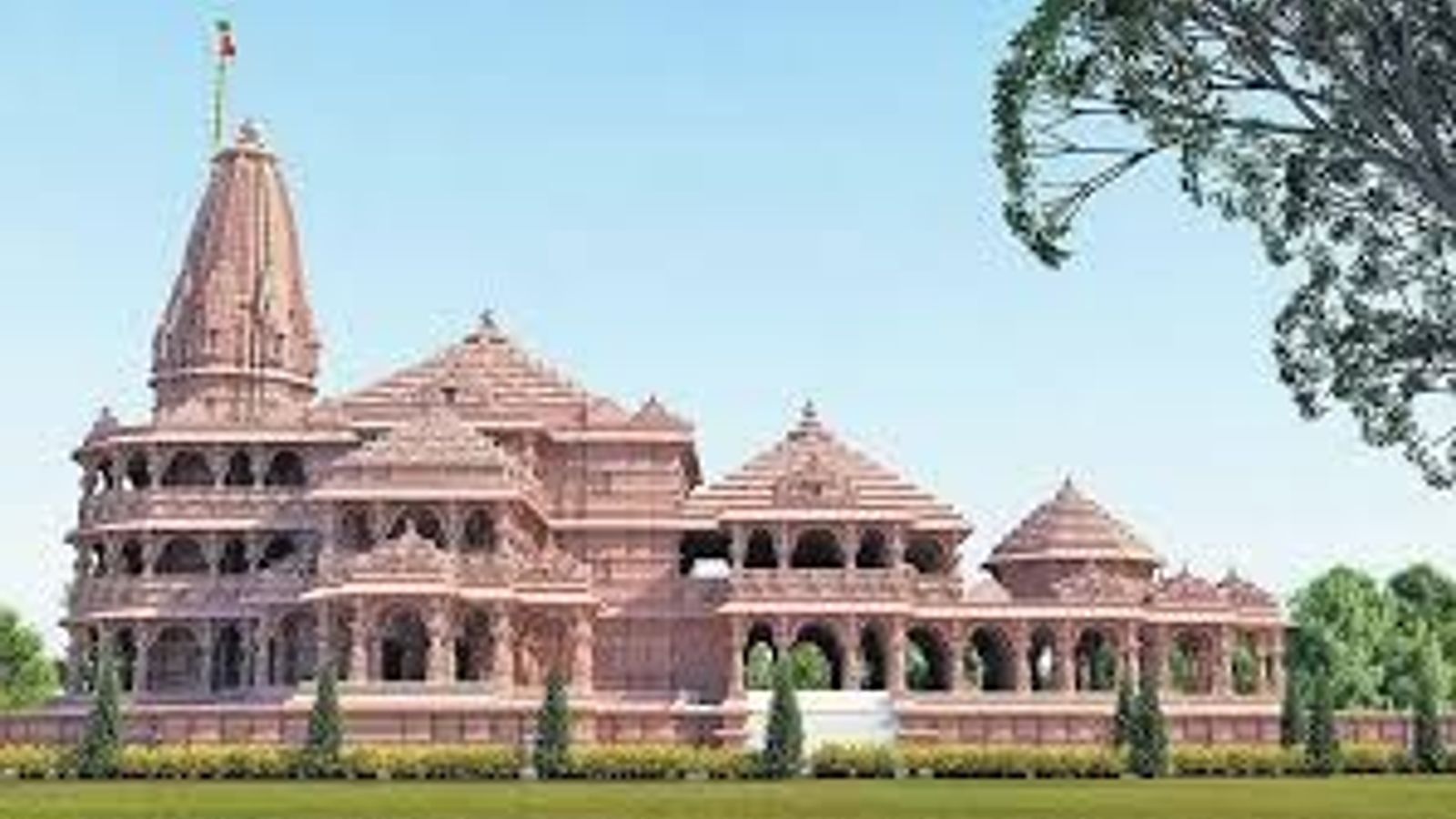
The magnificent Shri Ram Janmabhoomi Temple is the spiritual heart of Ayodhya and one of India's most significant pilgrimage sites. Built in traditional Nagara architectural style, the temple welcomes devotees and visitors from around the world.
Hanuman Garhi
Situated atop a small hill, Hanuman Garhi is one of Ayodhya's most revered temples. Devotees traditionally visit this temple before proceeding to the Ram Janmabhoomi Temple.
Kanak Bhawan
Dedicated to Lord Rama and Goddess Sita, Kanak Bhawan is admired for its beautifully decorated sanctum, elegant architecture, and peaceful atmosphere.
Saryu River & Ram Ki Paidi
The beautifully developed riverfront along the Saryu River is ideal for peaceful walks, boat rides, and witnessing the spectacular evening Saryu Aarti, a spiritually uplifting ceremony attended by thousands of devotees.
Nageshwarnath Temple
Believed to have been established by Kush, the son of Lord Rama, this ancient Shiva temple is one of Ayodhya's oldest and most important religious sites.
Dashrath Mahal
Traditionally regarded as the royal residence of King Dashrath, the father of Lord Rama, Dashrath Mahal is a colourful temple complex filled with devotional music and vibrant celebrations.
Tulsi Smarak Bhawan
Dedicated to the poet-saint Goswami Tulsidas, this cultural centre celebrates the life and teachings of the author of the Ramcharitmanas through exhibitions and performances.
Guptar Ghat
Located on the banks of the Saryu River, Guptar Ghat is associated with the final earthly journey of Lord Rama and is a peaceful place for reflection and prayer.
Things to Do
- Seek blessings at Shri Ram Janmabhoomi Temple.
- Attend the evening Saryu Aarti.
- Take a boat ride on the Saryu River.
- Visit Hanuman Garhi and Kanak Bhawan.
- Explore Dashrath Mahal.
- Experience local religious ceremonies.
- Shop for spiritual souvenirs.
- Learn about the Ramayana and Ayodhya's ancient history.
Local Cuisine
Ayodhya offers delicious North Indian vegetarian cuisine, including:
- Kachori Sabzi
- Bedai
- Poori Sabzi
- Khichdi
- Chaat
- Jalebi
- Rabri
- Lassi
- Traditional Indian Sweets
Shopping
Popular purchases include:
- Religious Souvenirs
- Brass Idols
- Marble Statues
- Prayer Beads
- Spiritual Books
- Incense
- Traditional Clothing
- Handicrafts
- Local Sweets
Best Time to Visit
October to March
The most pleasant season for sightseeing, temple visits, and spiritual exploration.
October/November
Experience the spectacular Deepotsav, when millions of oil lamps illuminate Ayodhya, creating one of India's most breathtaking festival celebrations.
April
Celebrate Ram Navami, commemorating the birth of Lord Rama with grand processions and religious ceremonies.
How to Reach
By Air
Maharishi Valmiki International Airport, Ayodhya offers regular domestic connections, with services continuing to expand. Lucknow International Airport is another convenient gateway, approximately 135 km away.
By Train
Ayodhya Dham Junction is well connected with Delhi, Varanasi, Lucknow, Prayagraj, Agra, Jaipur, and other major Indian cities.
By Road
Approximate driving distances:
- Lucknow – 135 km
- Prayagraj – 170 km
- Varanasi – 220 km
- Gorakhpur – 140 km
- Agra – 470 km
- Delhi – 700 km
Suggested Stay/itinerary
- 1 Night: Visit the major temples and attend the evening Saryu Aarti.
- 2 Nights: Explore Ayodhya at a relaxed pace and visit surrounding temples and ghats.
- 3 Nights: Combine Ayodhya with Prayagraj or Chitrakoot for a complete spiritual journey.
Nearby Attractions
- Prayagraj
- Varanasi
- Lucknow
- Chitrakoot
- Sarnath
- Gorakhpur
- Kushinagar
Travel Tips
- Dress modestly while visiting temples.
- Carry valid identification for entry where required.
- Visit major temples early in the morning to avoid crowds.
- Follow security procedures at pilgrimage sites.
- Book accommodation well in advance during Deepotsav and Ram Navami.
- Respect local customs and religious traditions.
Why Choose Discovery Full Circle Tours?
With over 20 years of experience, Discovery Full Circle Tours specialises in tailor-made holidays across India. We provide carefully planned itineraries, quality accommodation, private air-conditioned transportation, experienced English-speaking drivers, knowledgeable local guides, and personalised service. Our spiritual and cultural tours combine Ayodhya with Varanasi, Prayagraj, Mathura, Vrindavan, Lucknow, Chitrakoot, and other iconic destinations, offering a seamless and enriching pilgrimage experience.
Frequently Asked Questions (FAQs)
1. What is Ayodhya famous for?
Ayodhya is famous as the birthplace of Lord Rama, the magnificent Shri Ram Janmabhoomi Temple, its ancient temples, the Saryu River, and its deep spiritual significance in Hinduism.
2. What is the best time to visit Ayodhya?
The best time to visit is October to March. Visitors can also experience the spectacular Deepotsav (around Diwali) and Ram Navami celebrations.
3. How many days should I stay in Ayodhya?
A 1 to 2-night stay is ideal to visit the city's principal temples, attend the Saryu Aarti, and explore its religious landmarks.
4. Which are the must-visit attractions in Ayodhya?
Shri Ram Janmabhoomi Temple, Hanuman Garhi, Kanak Bhawan, Dashrath Mahal, Saryu River, Ram Ki Paidi, Nageshwarnath Temple, and Guptar Ghat are among the city's top attractions.
5. Can Ayodhya be combined with other destinations?
Yes. Ayodhya is commonly combined with Varanasi, Prayagraj, Lucknow, Mathura, Vrindavan, Chitrakoot, and Sarnath as part of North India pilgrimage and heritage tours.
6. What can I buy in Ayodhya?
Visitors can purchase religious souvenirs, brass idols, marble statues, prayer beads, spiritual books, incense, traditional clothing, handicrafts, and local sweets.
7. Is Ayodhya suitable for international travellers?
Absolutely. Ayodhya offers international visitors a fascinating insight into India's spiritual traditions, Hindu culture, sacred architecture, and the timeless stories of the Ramayana.
8. Is Ayodhya safe for solo travellers?
Yes. Ayodhya is generally considered safe for solo travellers, including international visitors. As with any destination, it is advisable to take normal precautions, use authorised transportation, safeguard personal belongings, and dress respectfully when visiting religious sites. Booking with Discovery Full Circle Tours provides additional peace of mind through reliable transport, experienced local guides, and 24/7 travel assistance.
9. What is the nearest airport to Ayodhya?
Maharishi Valmiki International Airport, Ayodhya, is the city's primary airport and offers convenient access for domestic travellers, while Lucknow International Airport serves as an alternative gateway with wider flight connections.